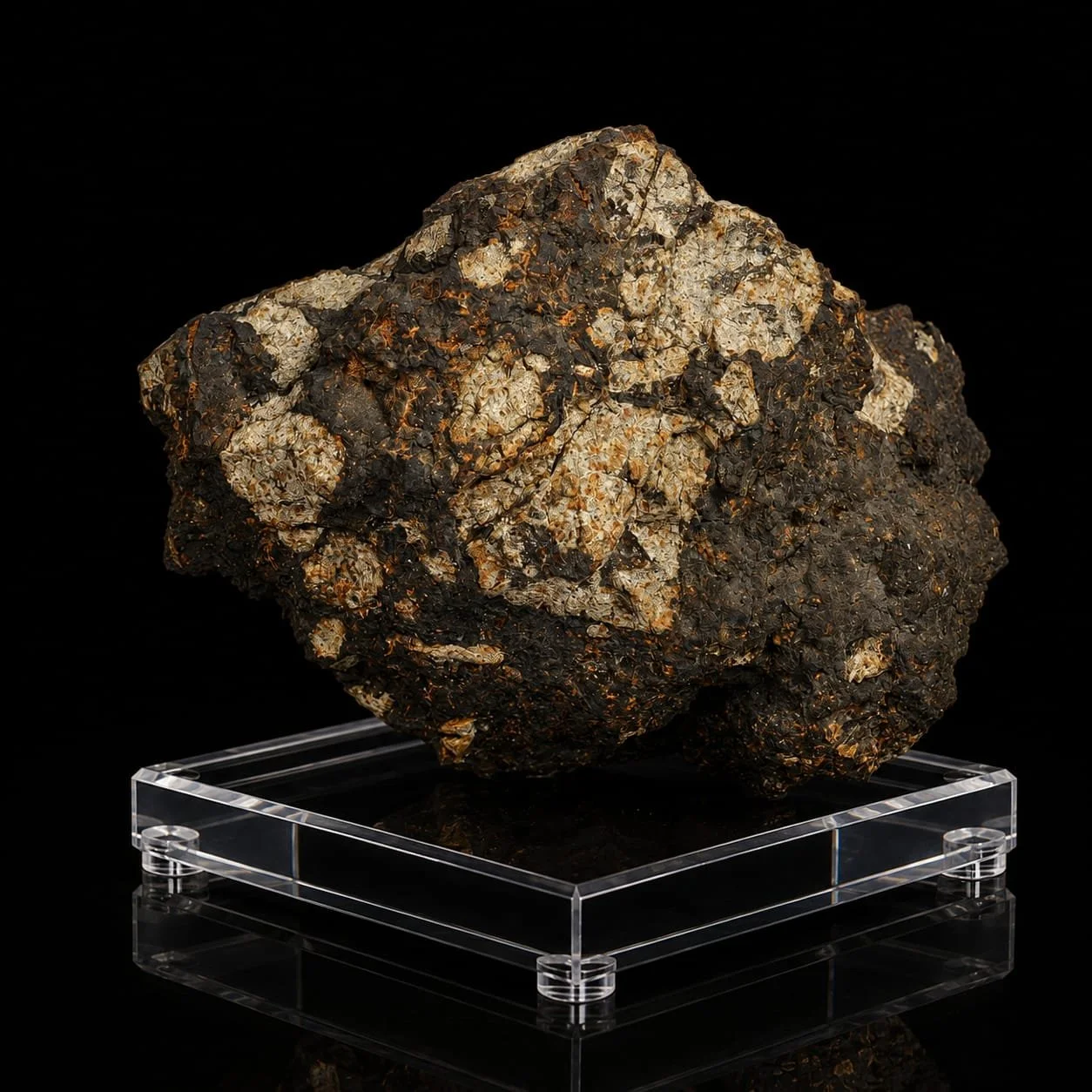
 Image 1 of 7
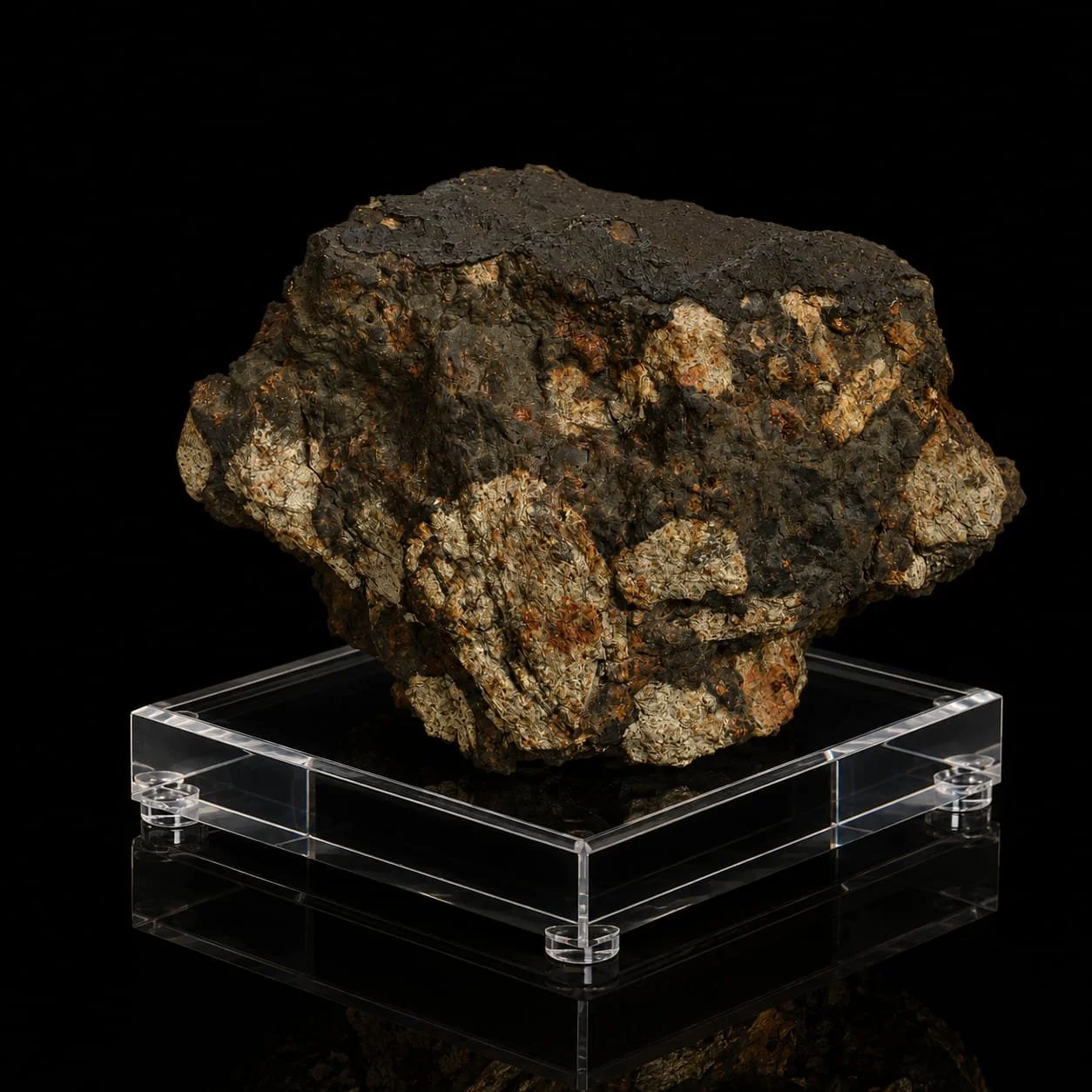 Image 2 of 7
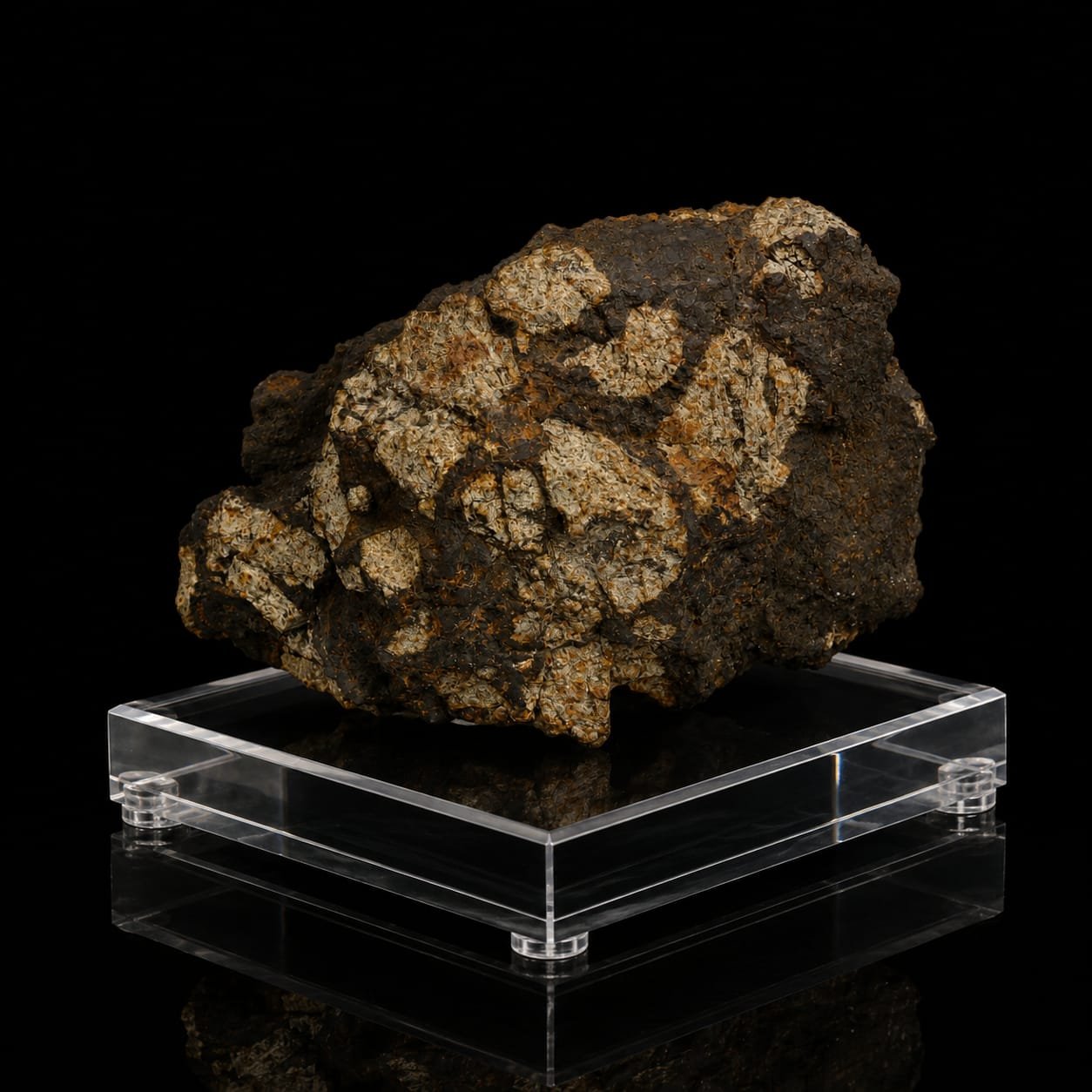 Image 3 of 7
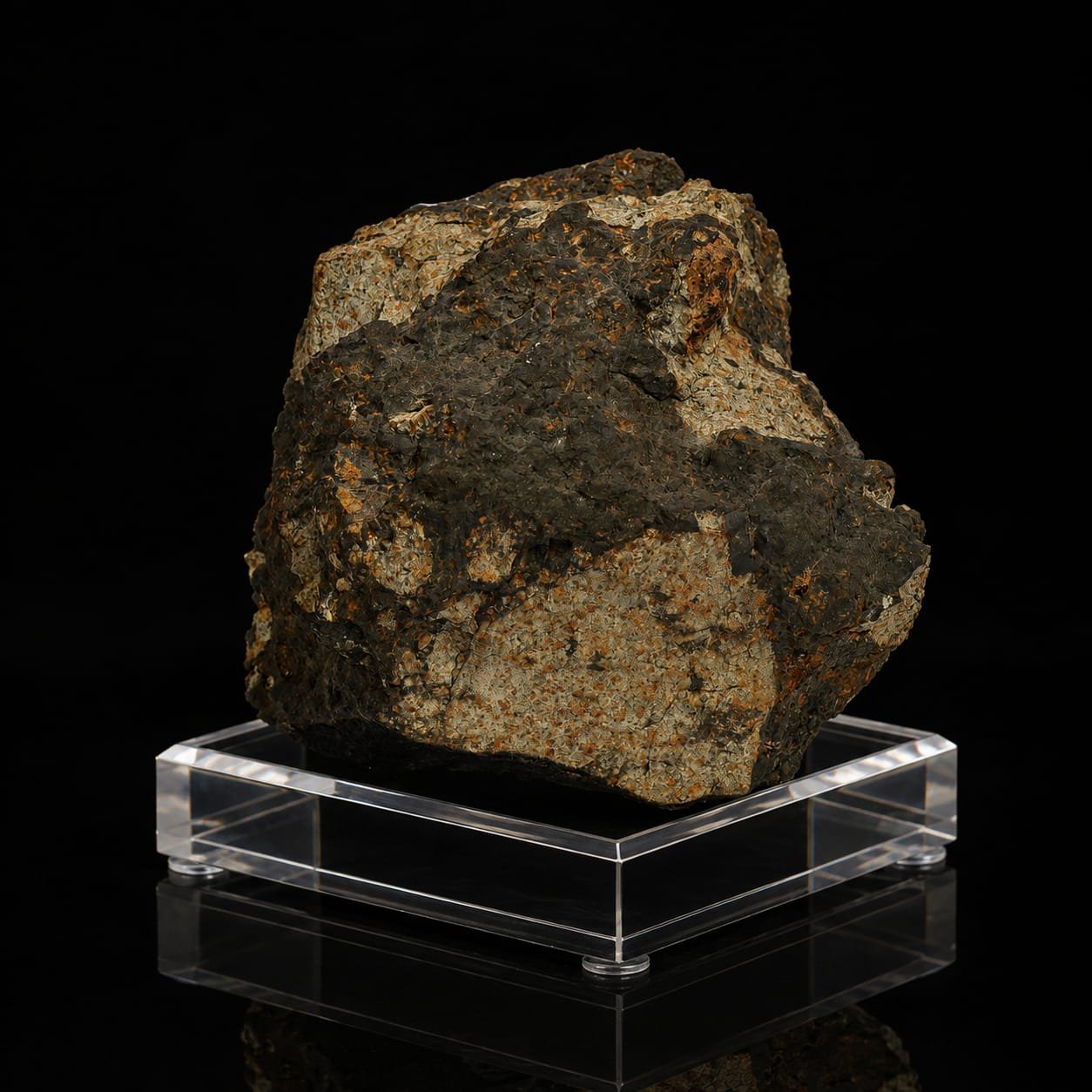 Image 4 of 7
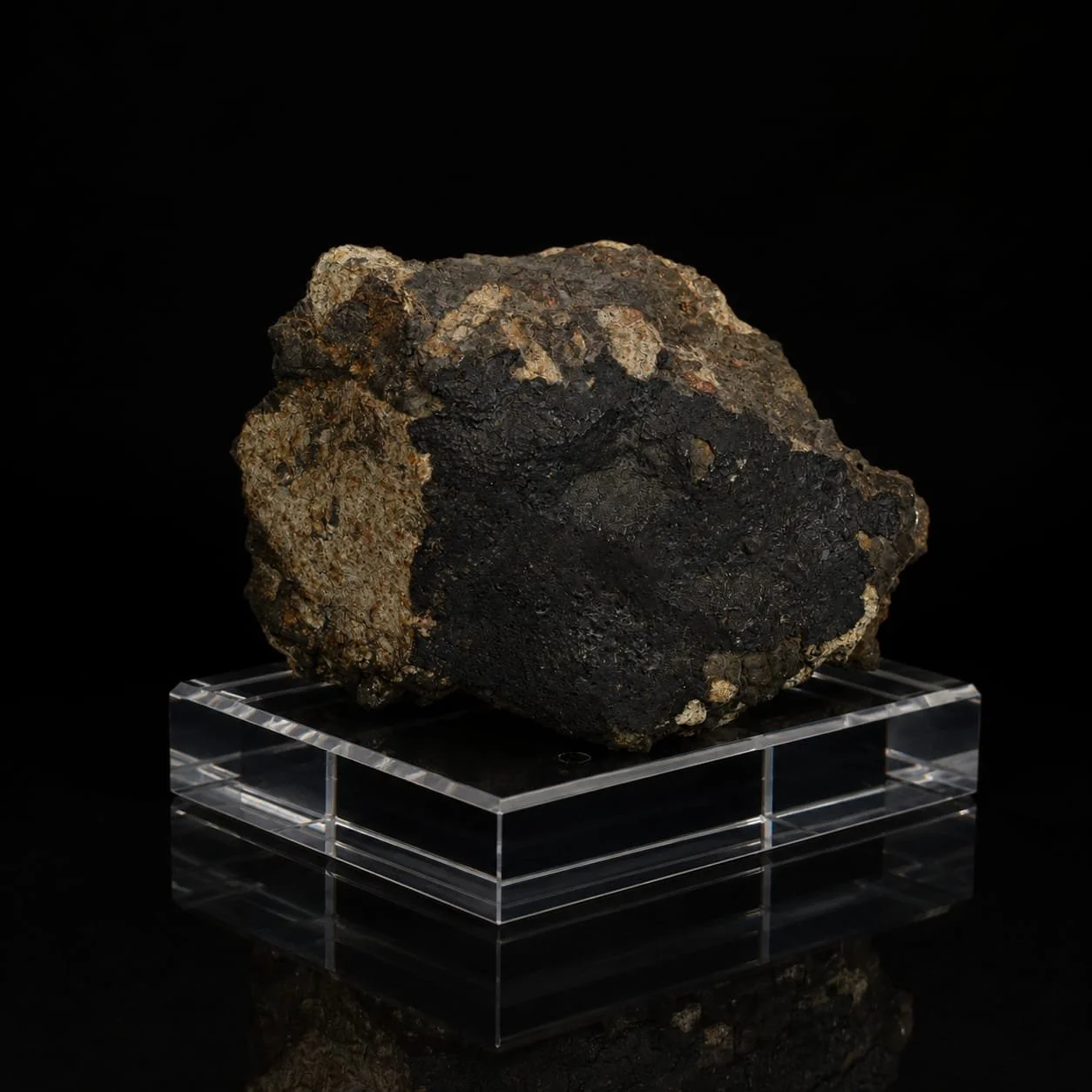 Image 5 of 7
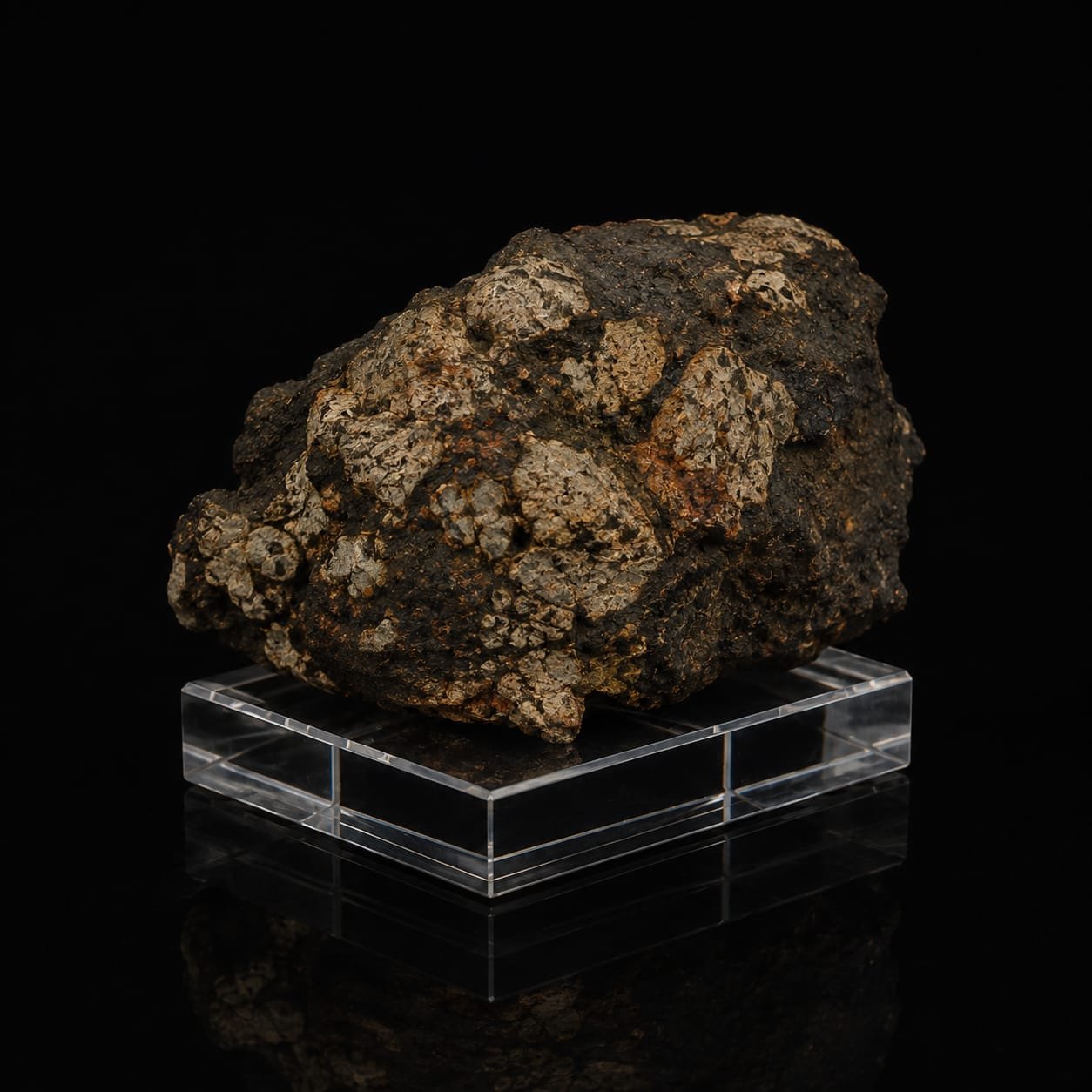 Image 6 of 7
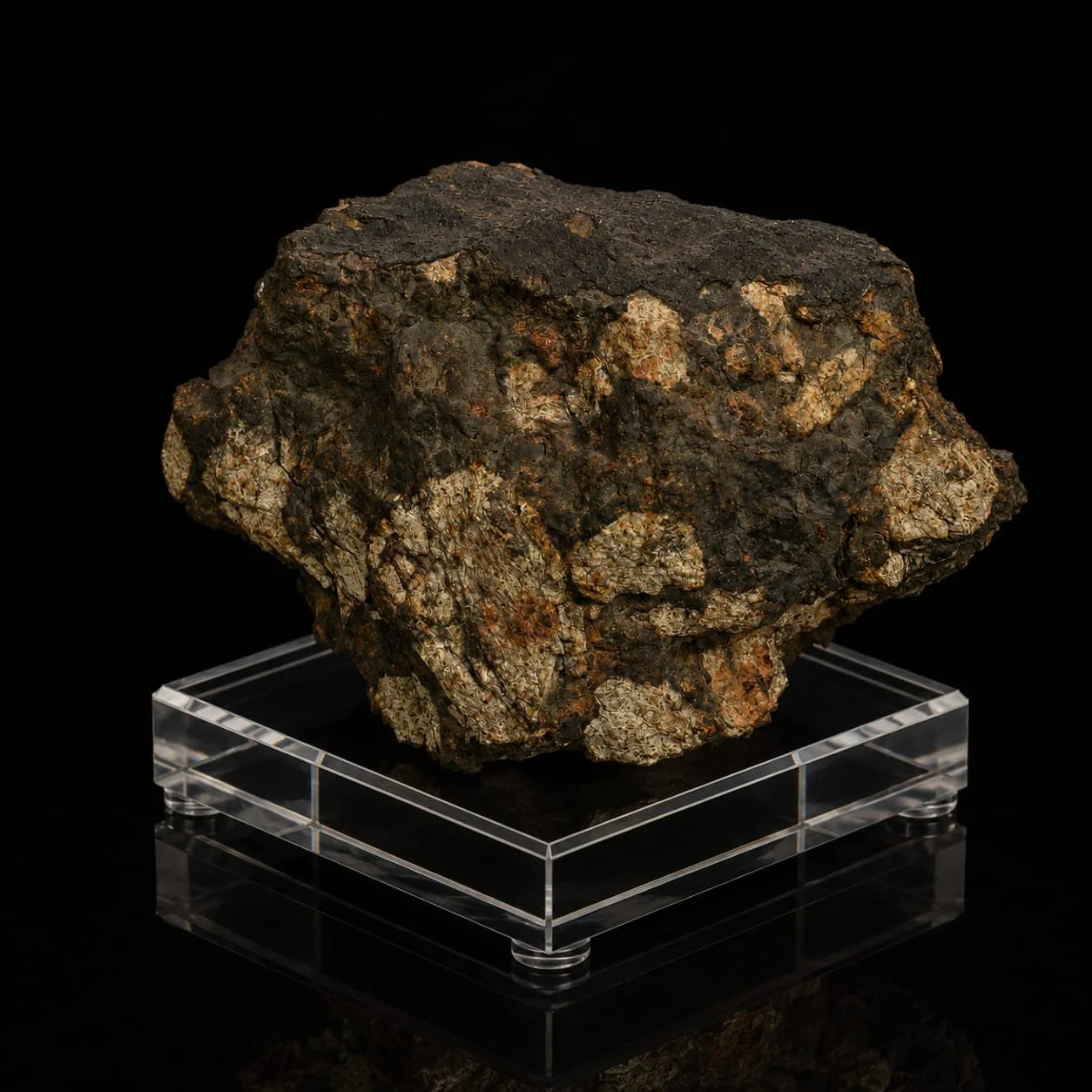 Image 7 of 7
Expedition in Search of the Chelyabinsk Meteorite, 2021
The expedition took place in the autumn of 2021. It was one stage of a larger journey covering five meteorite fall sites: Kainsaz (Tatarstan), Sterlitamak (Bashkortostan), Kunashak and Chelyabinsk (Chelyabinsk Region), and Staropesyanovo (Kurgan Region).
During the visit to the Chelyabinsk Region, dives were organized at Lake Chebarkul, at the site where the main mass of the Chelyabinsk meteorite—approximately 560 kg—had been recovered.
The lakebed was surveyed for possible remaining meteorite fragments. We also explored the excavation in the silty bottom left behind by Nikolai Murzin’s expedition, which had searched for and recovered the main mass of the Chelyabinsk meteorite.
It was an unforgettable experience. Descending into the thick, lightless silt created an extraordinary sensation—almost like flying and experiencing weightlessness at the same time. As though space itself were swallowing you.
Thanks to a carefully designed system of safety lines, the dives into the underwater excavation were completed without incident.
A little about Nikolai Murzin’s expedition
This expedition took place from September to November 2013 and was carried out by the company Aleut, owned by Nikolai Murzin.
After winning the tender to search for and recover the main mass of the Chelyabinsk meteorite that had fallen into Lake Chebarkul on 15 February 2013, the company successfully completed the recovery operation.
After fulfilling the contract, Aleut continued working at its own expense to make the underwater excavation safe. Overhanging sections of the excavation walls were removed to reduce the risk of accidents for divers who might later descend to this remarkable site.
It was during this work that the specimen presented here was discovered.
A unique 5.1 kg Chelyabinsk meteorite recovered from the bottom of Lake Chebarkul, with a remarkably well-preserved fusion crust and areas of impact melt.
What makes this specimen particularly exceptional is the extraordinary story of its recovery: approximately 10 metres of water and a further 10 metres of lakebed silt. Imagine the scale, difficulty, and precision required for such an operation.
It is one of the few known large specimens recovered under these extraordinary circumstances.
A truly exceptional museum-grade specimen.
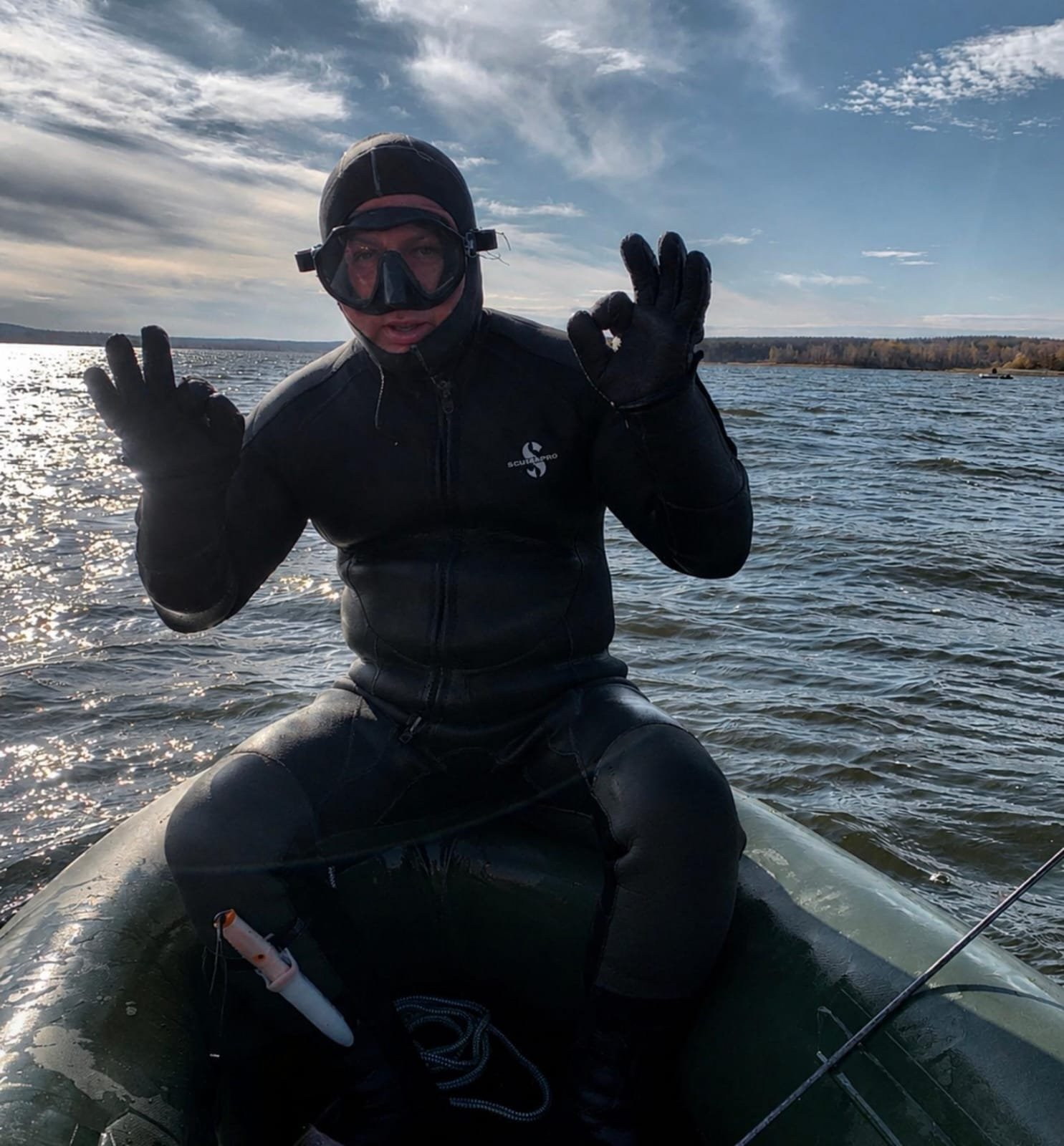
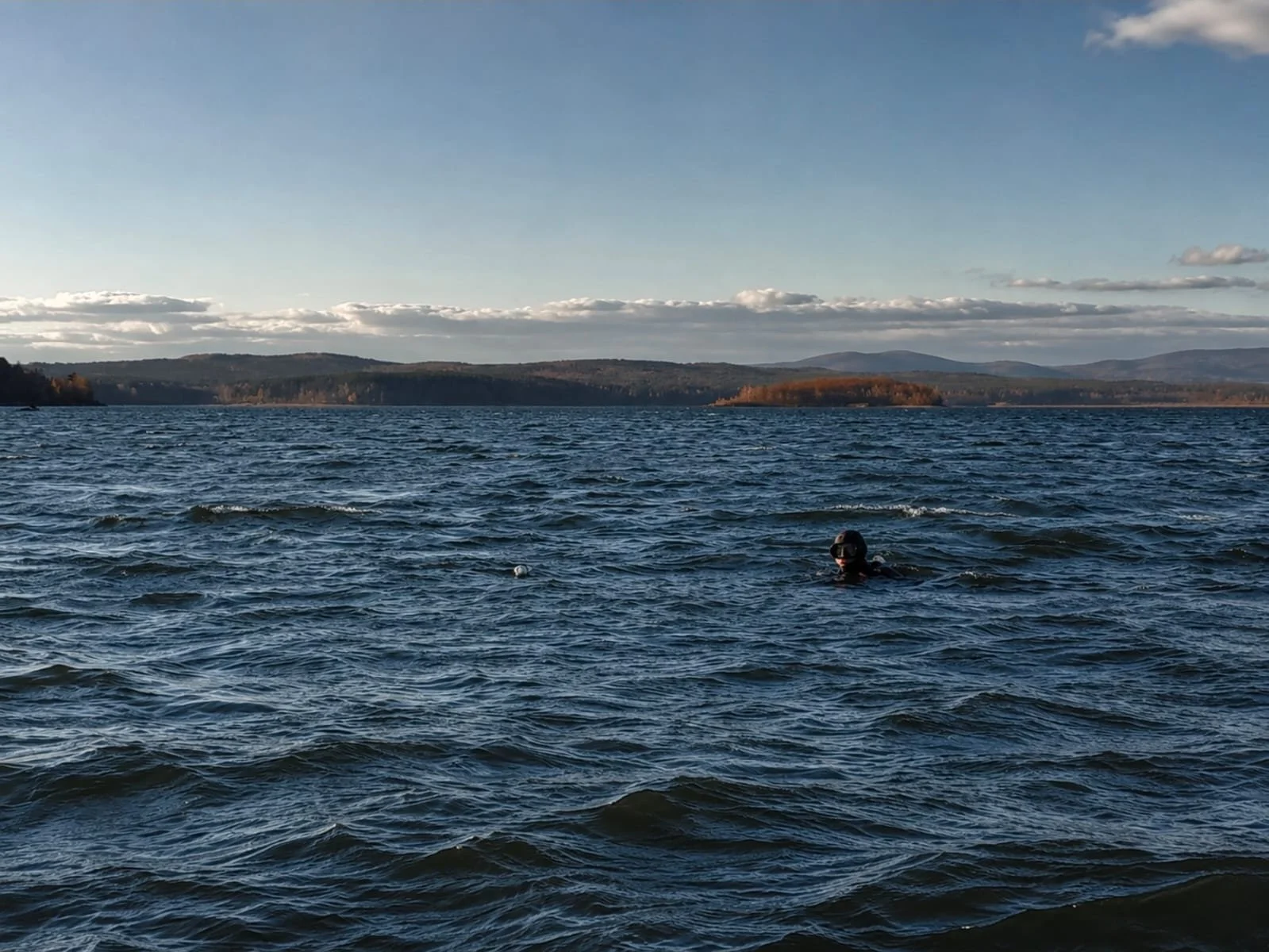
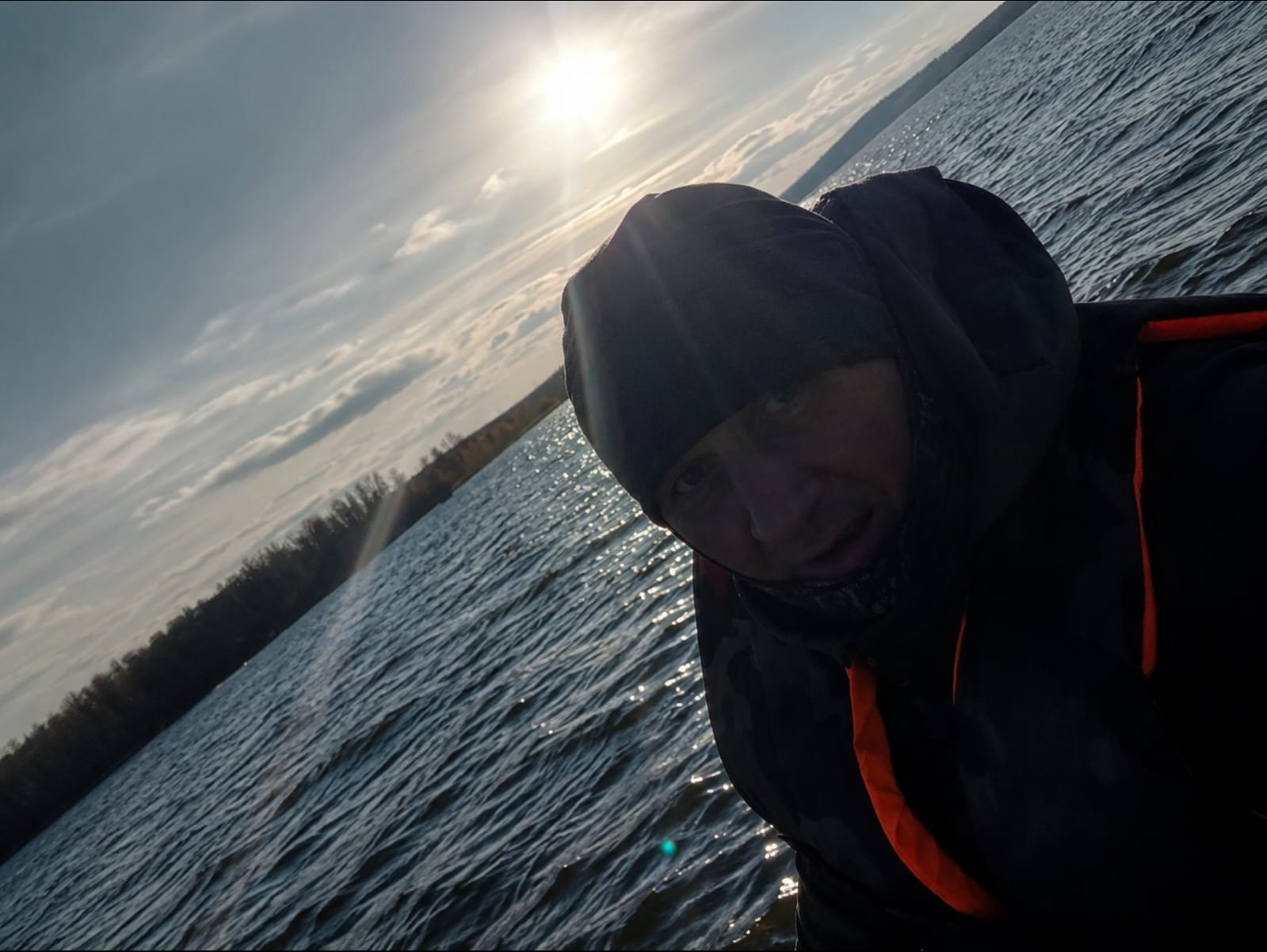
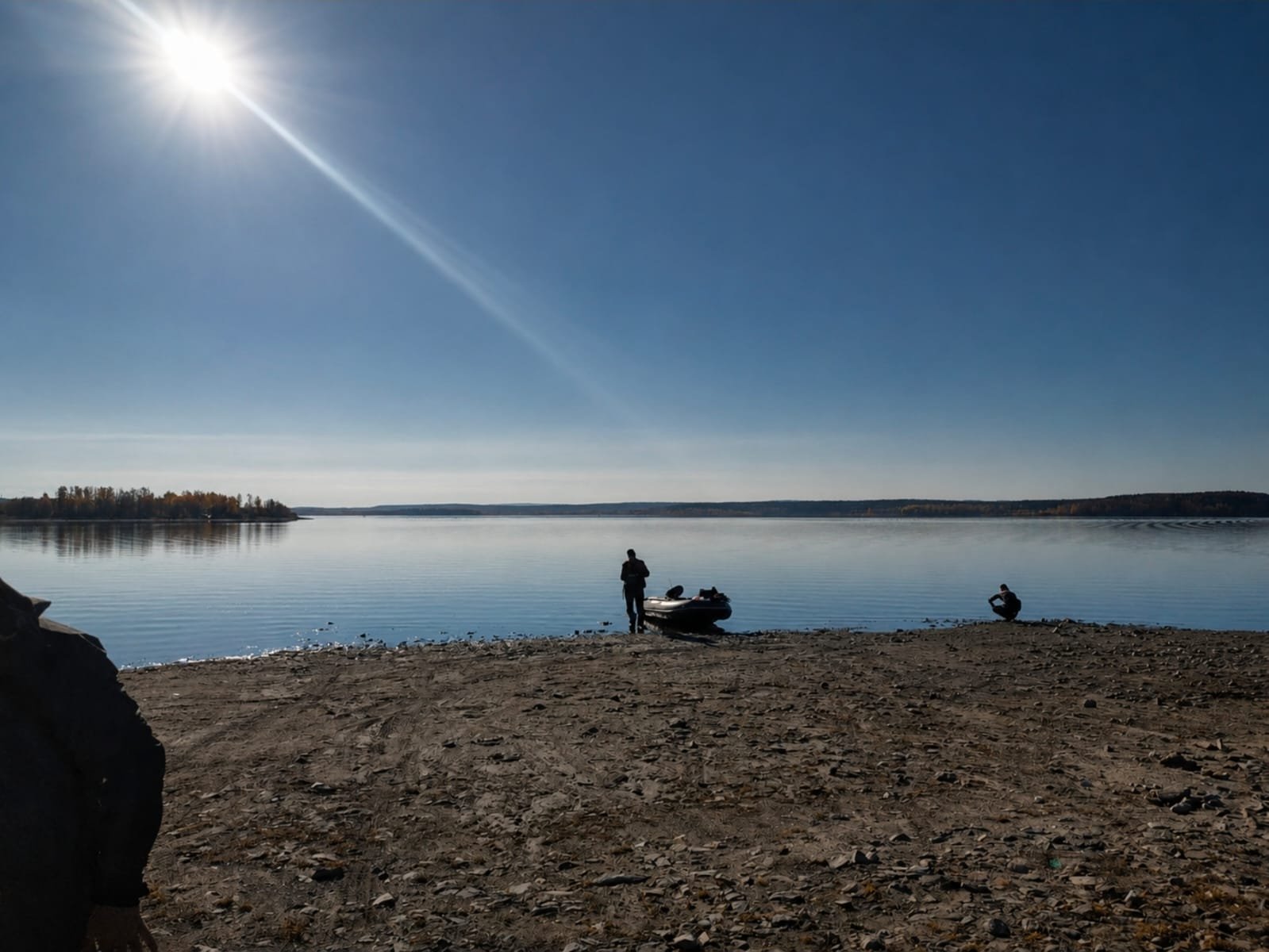
“It's autumn in October beyond the Ural Mountains, near Chelyabinsk. I'm in the Chebarkul Lake region, standing where Nikolay Murzin's feet once were. I'm diving to the spot where the main fragment of the Chelyabinsk meteorite was recovered.”