Ecclesiastes
By Julia Gogol · Natural Rock Crystal Quartz
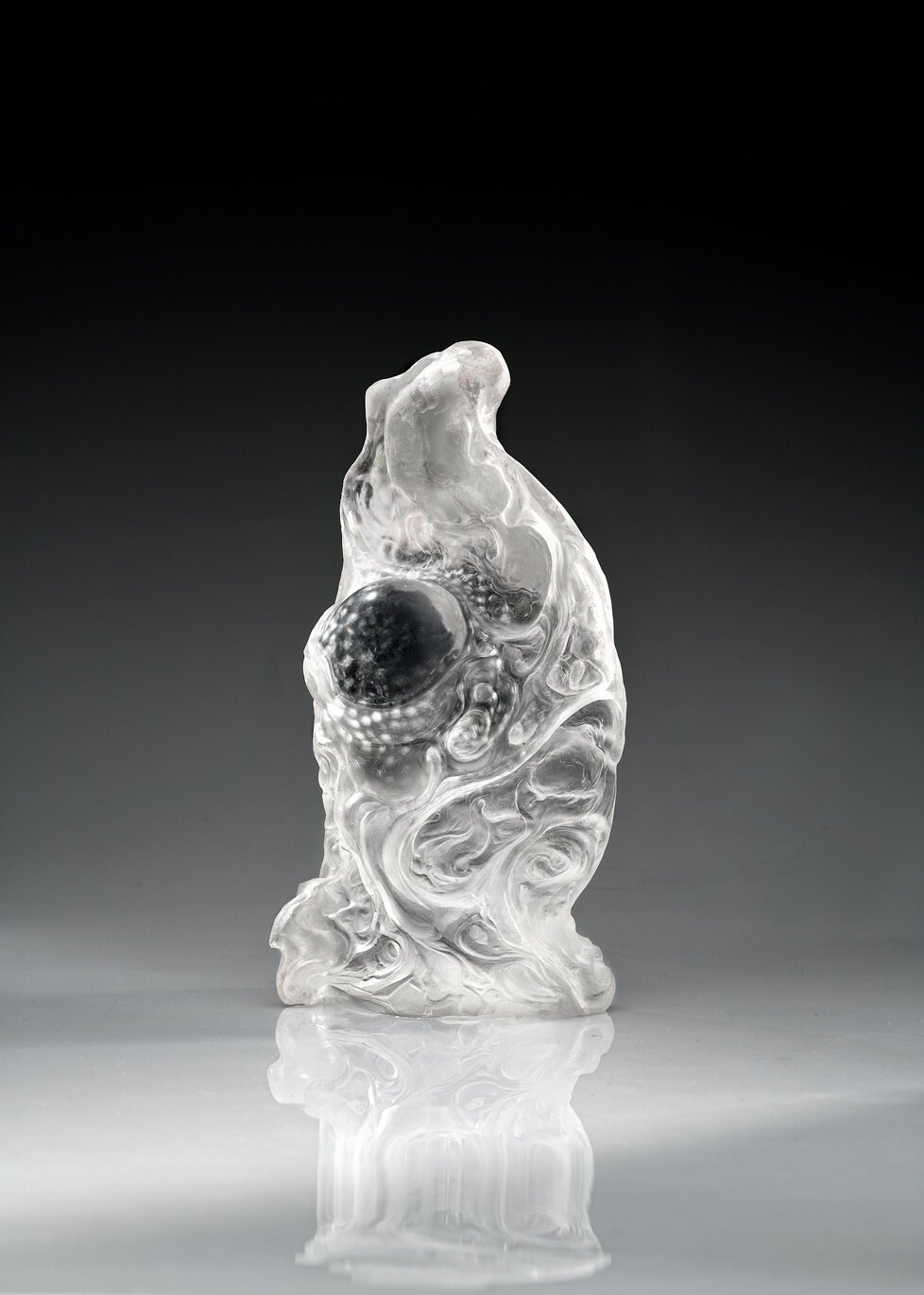
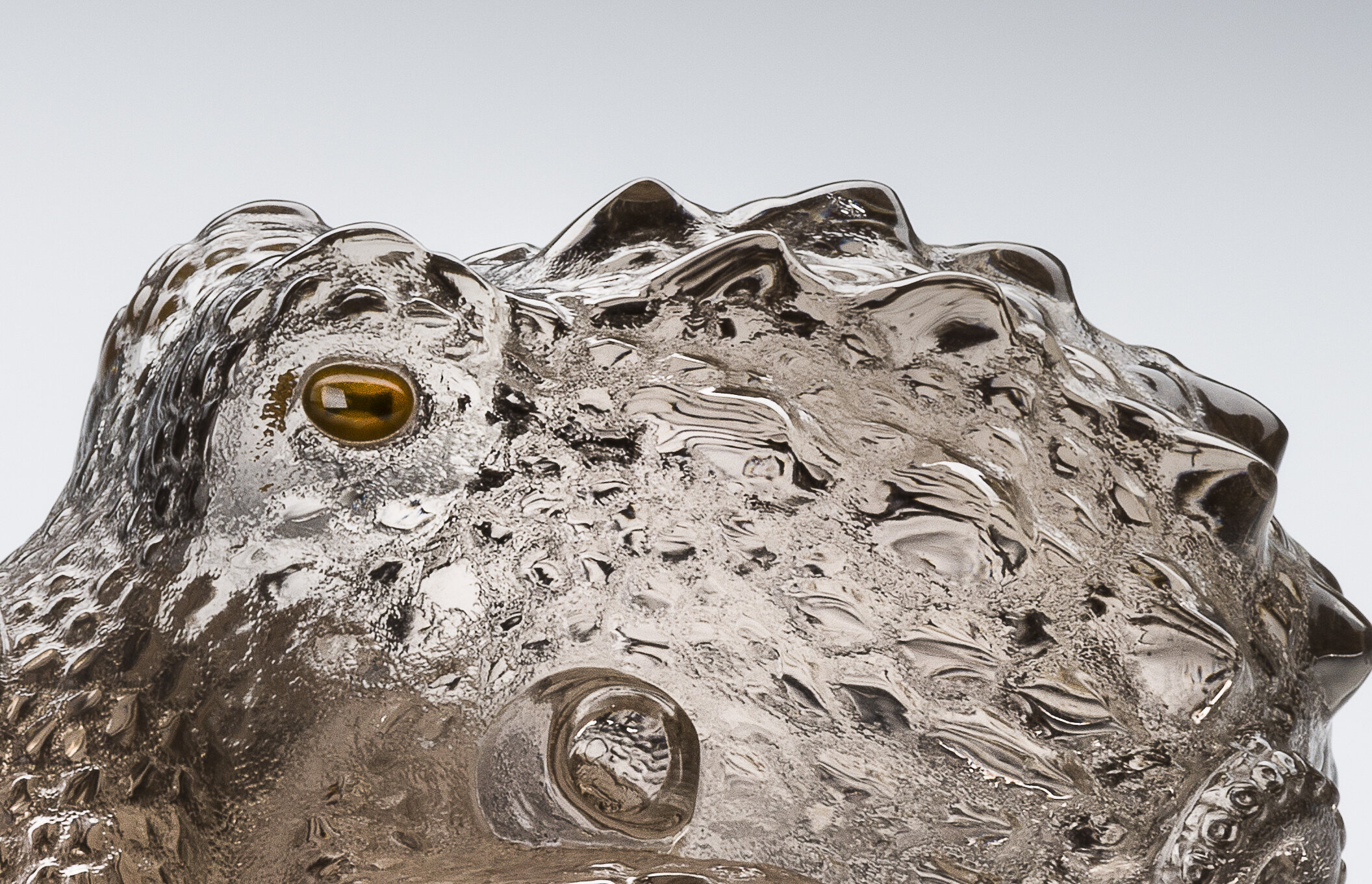
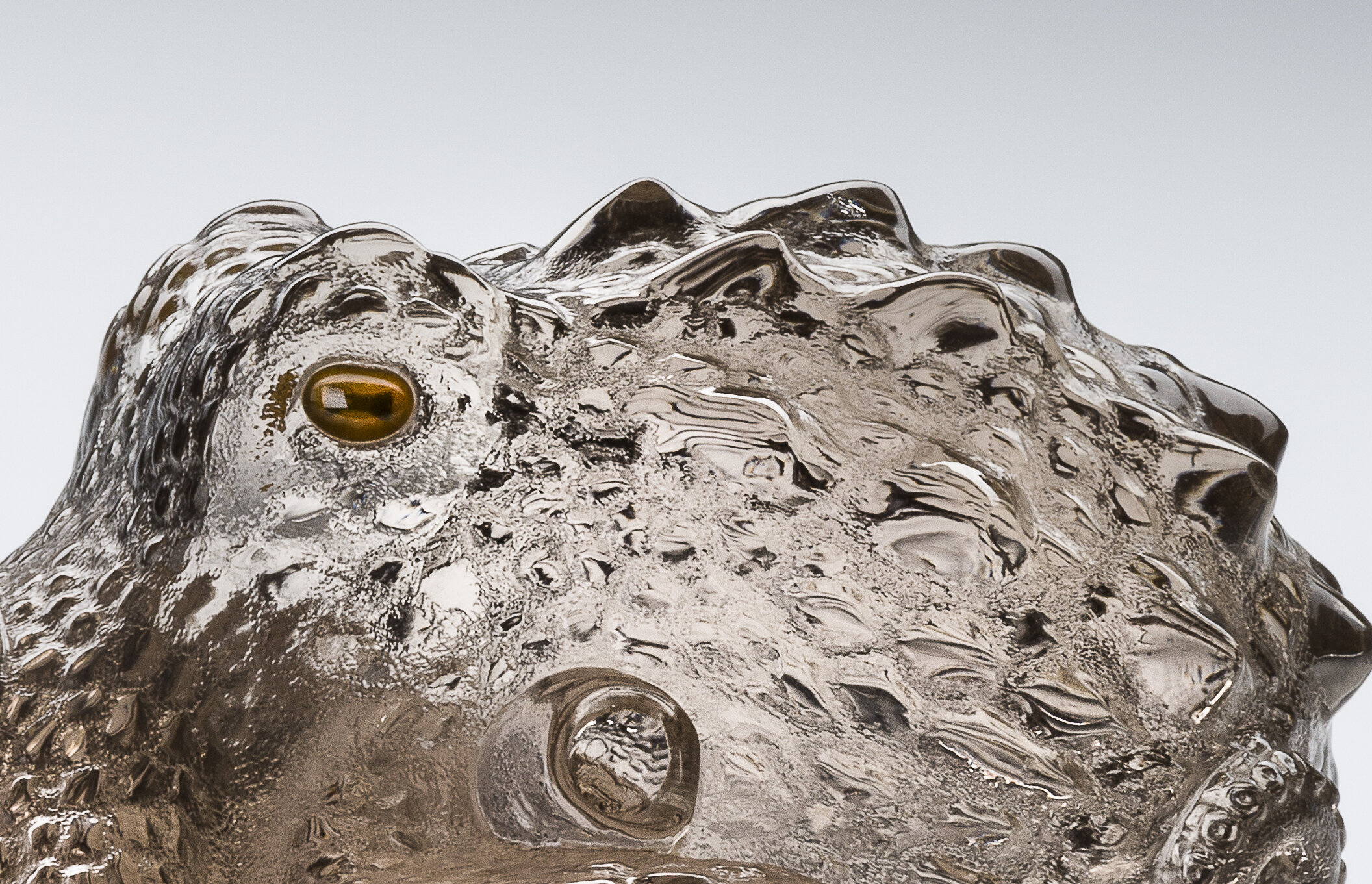
A crystalline apparition rises above a metal framework, its transparent form catching the light and releasing it in shifting reflections. Julia Gogol gives quartz an elusive presence: sculpted stone appears as smoke, poised to vanish.
Ecclesiastes evokes the world of King Solomon—wisdom, wealth, splendour and the unsettling discovery that even a king cannot make them last. The palaces, the treasures, the great temple: what remains when the person who gave them meaning is gone?
The biblical word hevel evokes vapour, an image of magnificence that escapes possession. In this sculpture, that thought becomes visible. The crystal offers a form the eye can follow, yet never quite contain.
Long before Solomon’s treasures or temples, silica-rich fluids within the Earth gave rise to quartz, its crystal structure growing as conditions allowed. The stone carries a geological history reaching far beyond a human lifetime. In Gogol’s hands, that ancient material becomes an image of everything we cannot keep.
Beneath it, metal traces an intricate architecture of earthly ambition: the structures we build, the connections we forge, the heights we seek. Above them, the figure gleams with the fragile distinction of something beyond their reach.
There is a seductive tension between the enduring stone and its almost disappearing image. Geological time holds a fleeting human presence—a beautiful contradiction, suspended in light.
Materials: natural rock crystal quartz and metal.
Ecclesiastes forms part of the JP GEMS & CARVINGS collection. Julia Gogol’s work is also represented in the permanent collection of the State Hermitage Museum, St Petersburg.
Ecclesiastes
By Julia Gogol · Natural Rock Crystal Quartz
A crystalline apparition rises above a metal framework, its transparent form catching the light and releasing it in shifting reflections. Julia Gogol gives quartz an elusive presence: sculpted stone appears as smoke, poised to vanish.
Ecclesiastes evokes the world of King Solomon—wisdom, wealth, splendour and the unsettling discovery that even a king cannot make them last. The palaces, the treasures, the great temple: what remains when the person who gave them meaning is gone?
The biblical word hevel evokes vapour, an image of magnificence that escapes possession. In this sculpture, that thought becomes visible. The crystal offers a form the eye can follow, yet never quite contain.
Long before Solomon’s treasures or temples, silica-rich fluids within the Earth gave rise to quartz, its crystal structure growing as conditions allowed. The stone carries a geological history reaching far beyond a human lifetime. In Gogol’s hands, that ancient material becomes an image of everything we cannot keep.
Beneath it, metal traces an intricate architecture of earthly ambition: the structures we build, the connections we forge, the heights we seek. Above them, the figure gleams with the fragile distinction of something beyond their reach.
There is a seductive tension between the enduring stone and its almost disappearing image. Geological time holds a fleeting human presence—a beautiful contradiction, suspended in light.
Materials: natural rock crystal quartz and metal.
Ecclesiastes forms part of the JP GEMS & CARVINGS collection. Julia Gogol’s work is also represented in the permanent collection of the State Hermitage Museum, St Petersburg.

 Image 1 of 6
 Image 2 of 6
 Image 3 of 6
 Image 4 of 6
 Image 5 of 6
 Image 6 of 6