
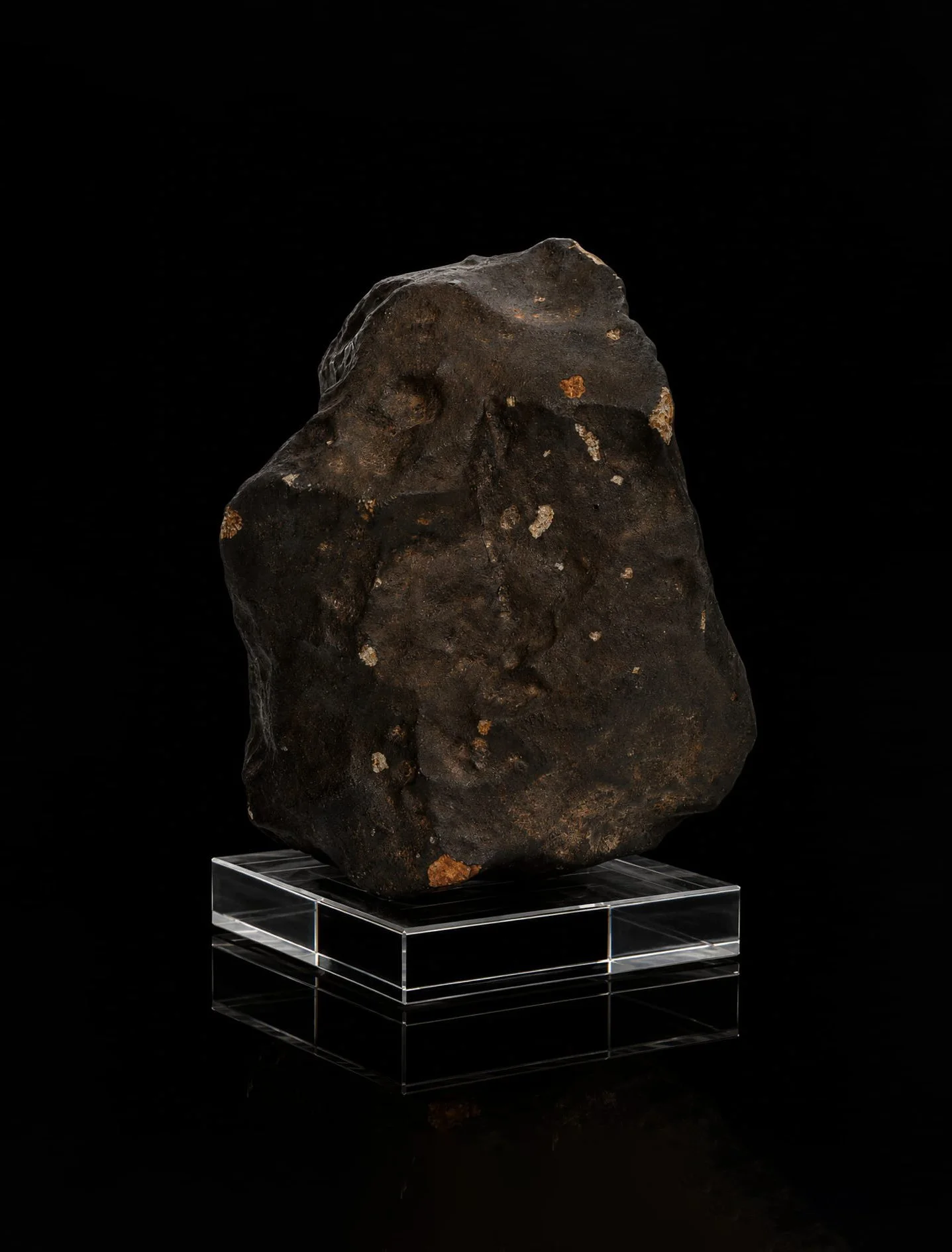
 Image 1 of 5
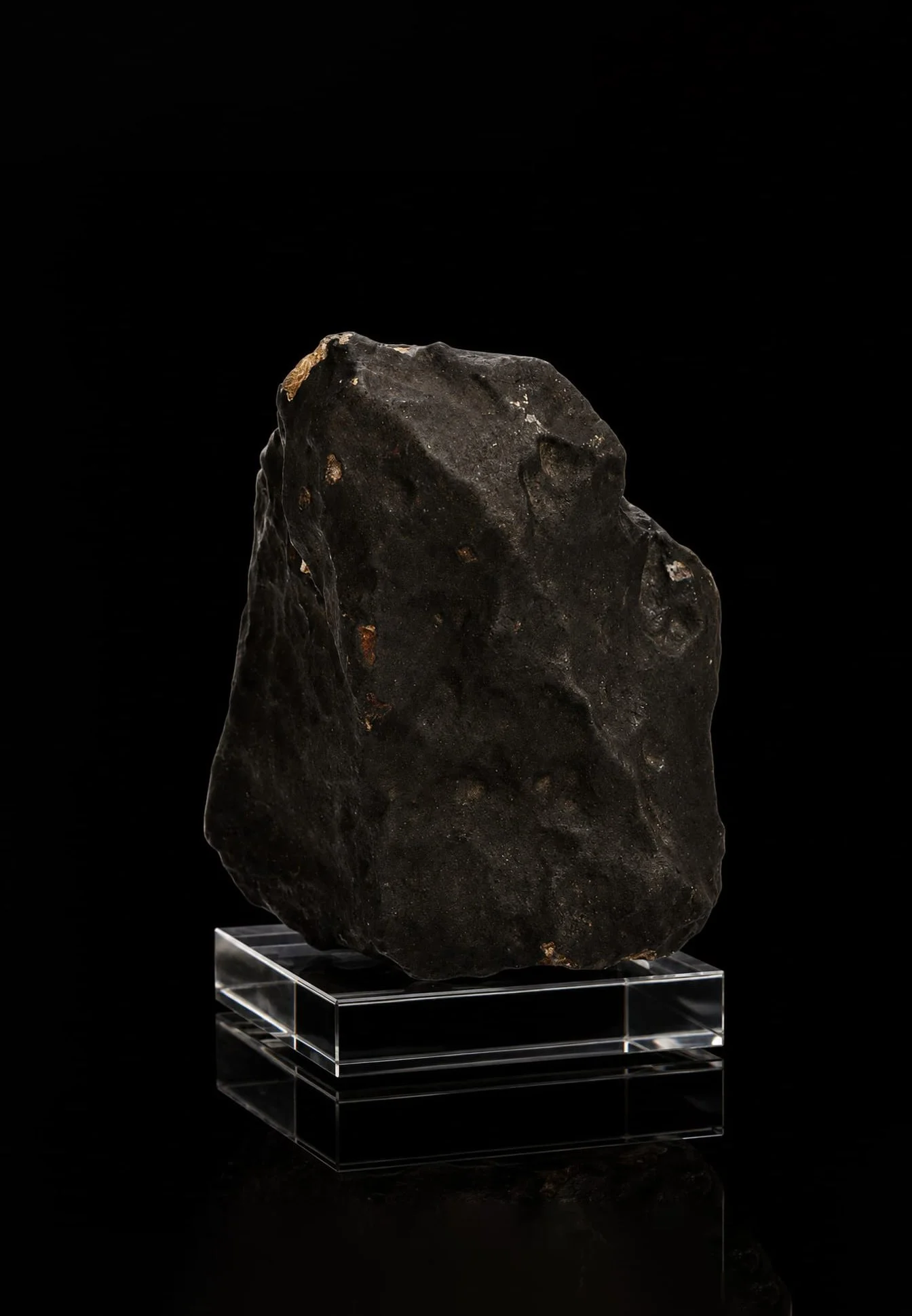 Image 2 of 5
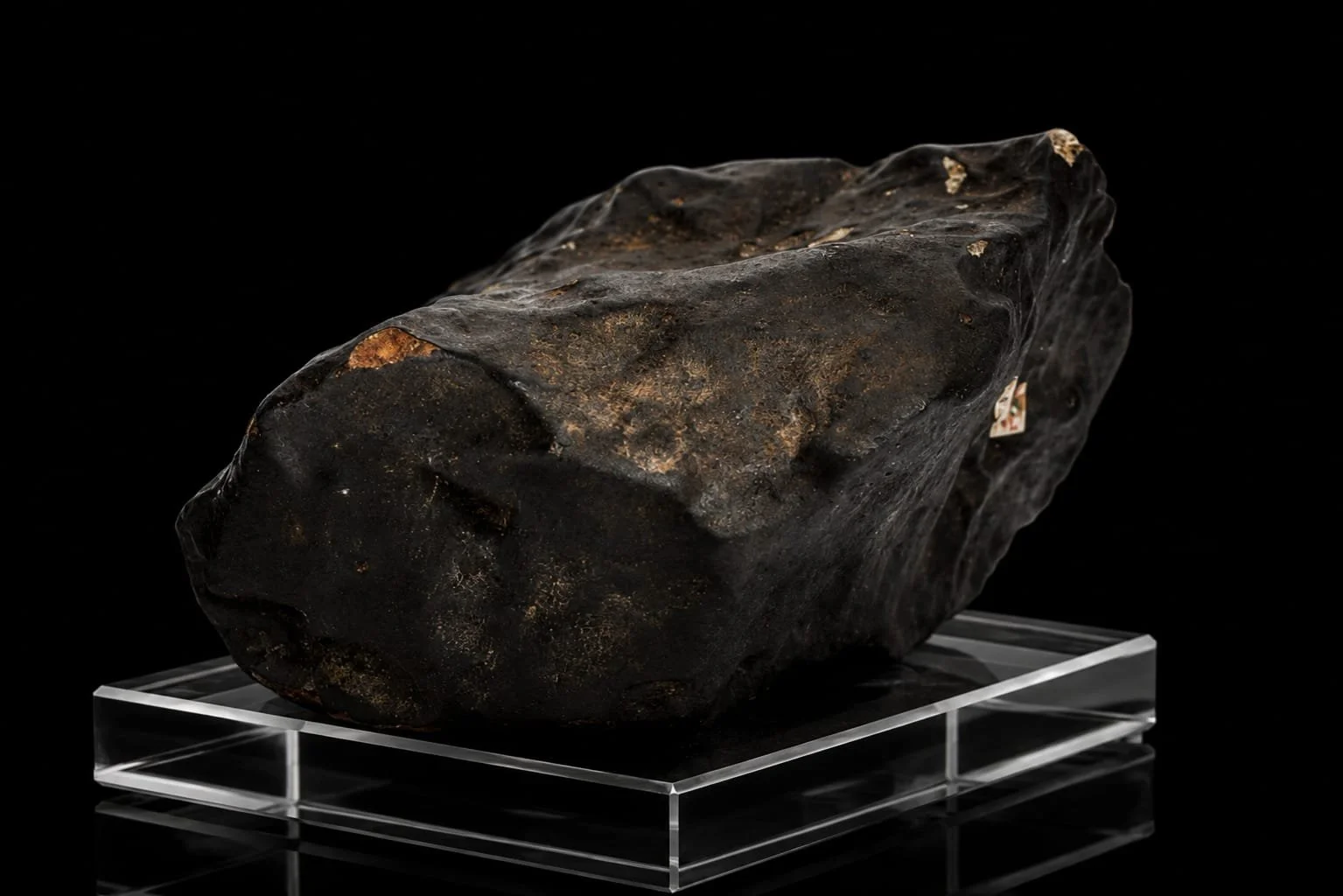 Image 3 of 5
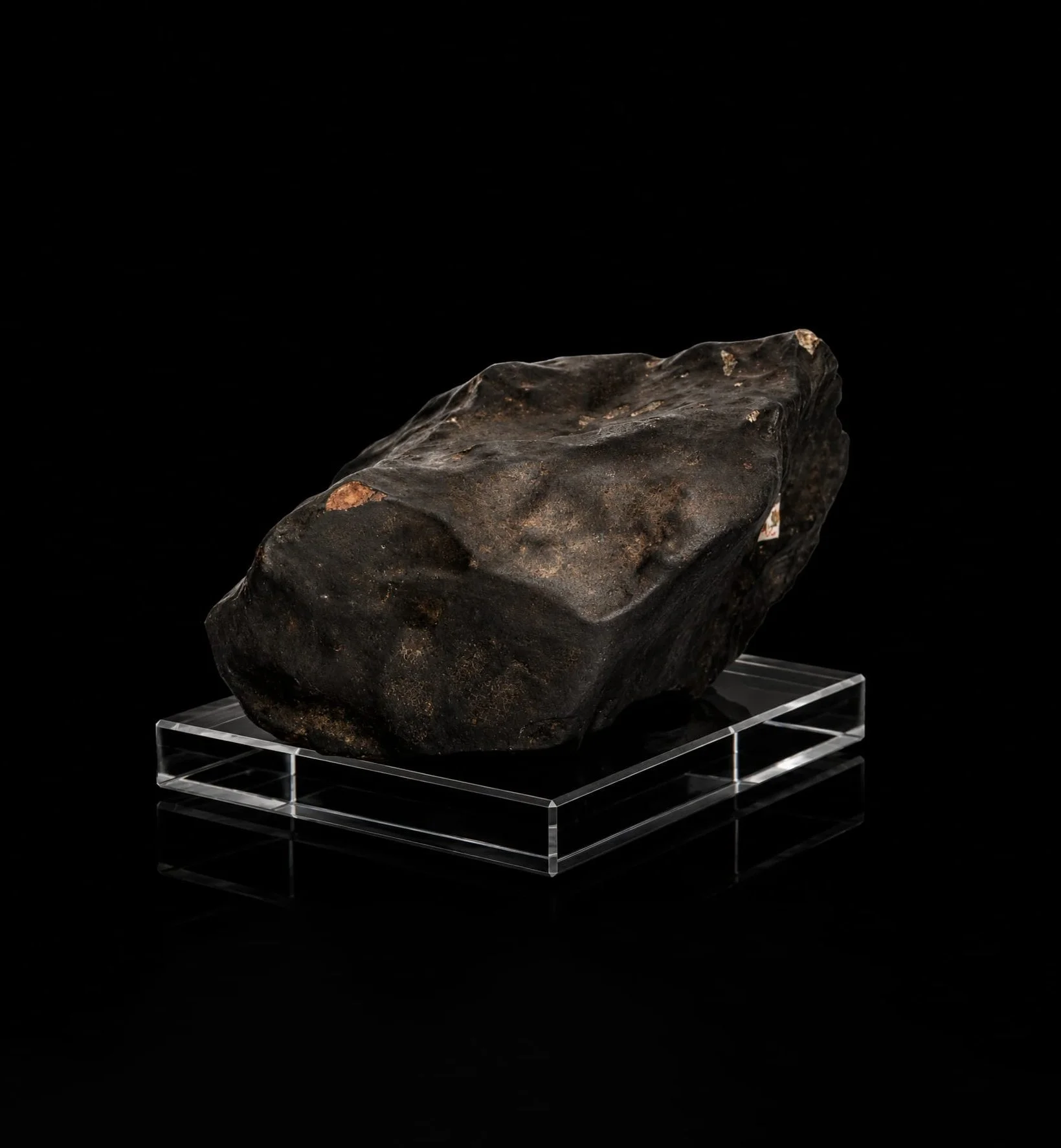 Image 4 of 5
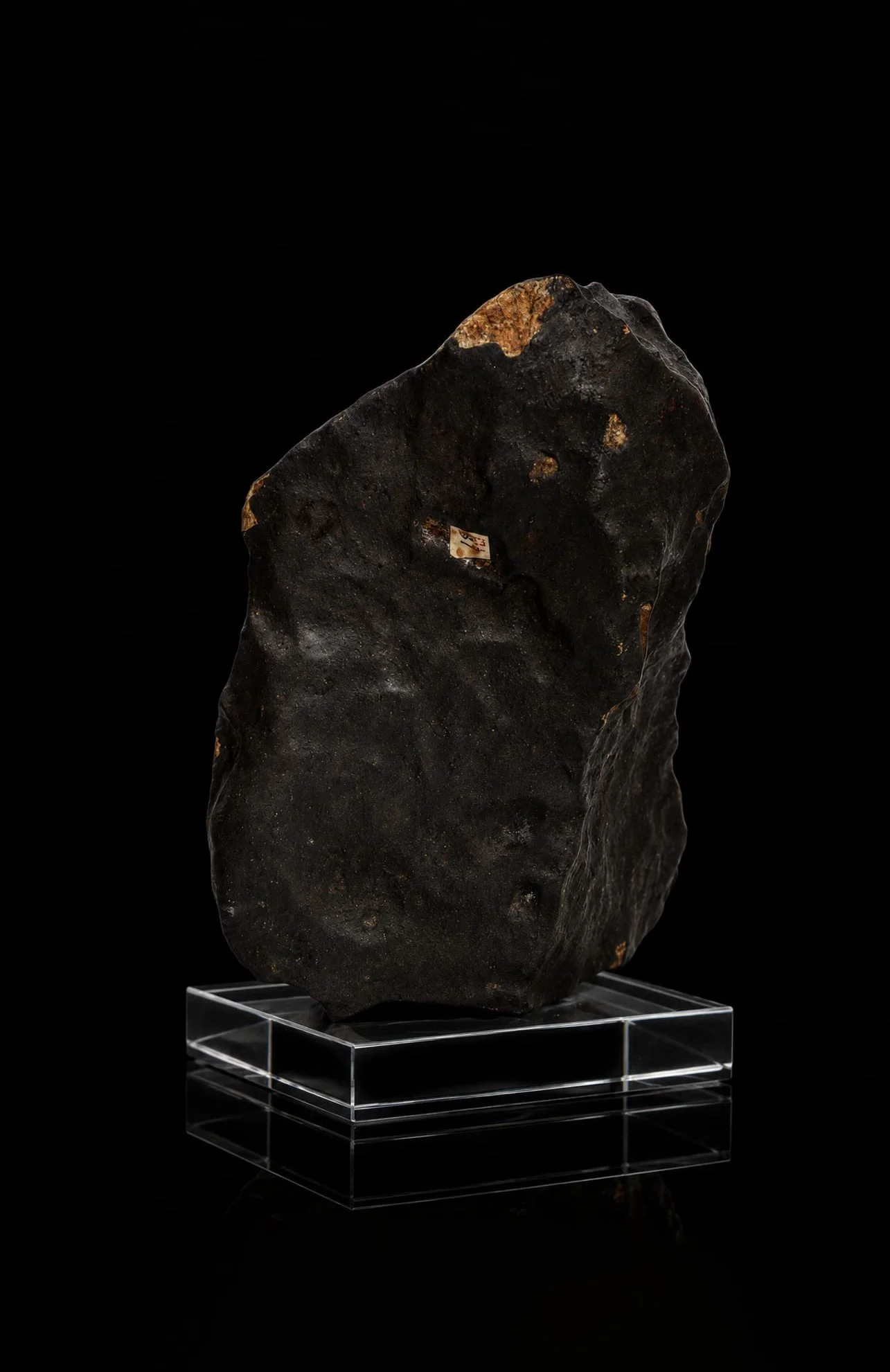 Image 5 of 5
History of the discovery
On February 2, 1933, at approximately 8:30 p.m., a stony meteorite—a chondrite—fell between the two villages of Kliepsiai and Rundziai, located near the town of Zemaitkiemis (Lithuanian: Žemaitkiemis).
Over the past nearly 150 years, only four meteorites have been observed and recovered in Lithuania: the Juodziai meteorite, which fell on June 17, 1877, in the Panevezys district; the Akmene meteorite, officially recorded on May 25, 1908; the Andrioniskis meteorite, which reached the ground on February 9, 1929, in the Anyksciai district; and the Zemaitkiemis meteorite, which is not only the largest but also the most recent. Since then, no other meteorite falls have been officially recorded in Lithuania.
Meteorites strike the Earth with varying force: some penetrate deeply into the ground, while others come to rest directly on the surface. As Professor Kazys Slezevicius (1890–1953) wrote, fragments of the Zemaitkiemis meteorite were found very quickly because a thin layer of snow covering the ground made the search easier.
In total, 20 fragments of the Zemaitkiemis meteorite were recovered from meadows and fields, farmsteads, and the shore of Lake Kliepsiai. The largest fragment weighed 7.3 kg, while the combined weight of all recovered pieces exceeded 42 kg. The fragments were scattered over an almost circular area about 2.5 km in diameter.
According to Professor Mykolas Kaveckis (1889–1969), who described all 20 recovered specimens in detail, it is impossible to reconstruct the original meteorite from the collected pieces because not all fragments were recovered. Several larger pieces broke through the ice covering Lake Kliepsiai and disappeared. In his opinion, the total mass of the Zemaitkiemis meteorite must have exceeded 50 kg.
Today, specimens of the Zemaitkiemis meteorite are preserved in the Natural History Museum in London, the Vernadsky Institute of the Russian Academy of Sciences, the National Museum of the Czech Republic in Prague, the Minerals Museum of the Institute of Geology and Geography of Lithuania, the Meteorite Collection of the Department of Geology and Mineralogy at Vilnius University's Geological Museum, and the Ukmerge Regional Museum.
The Zemaitkiemis meteorite is truly a unique piece of celestial heritage that fell from the sky—a natural analogue of the Earth's core and a contemporary of our planet itself.