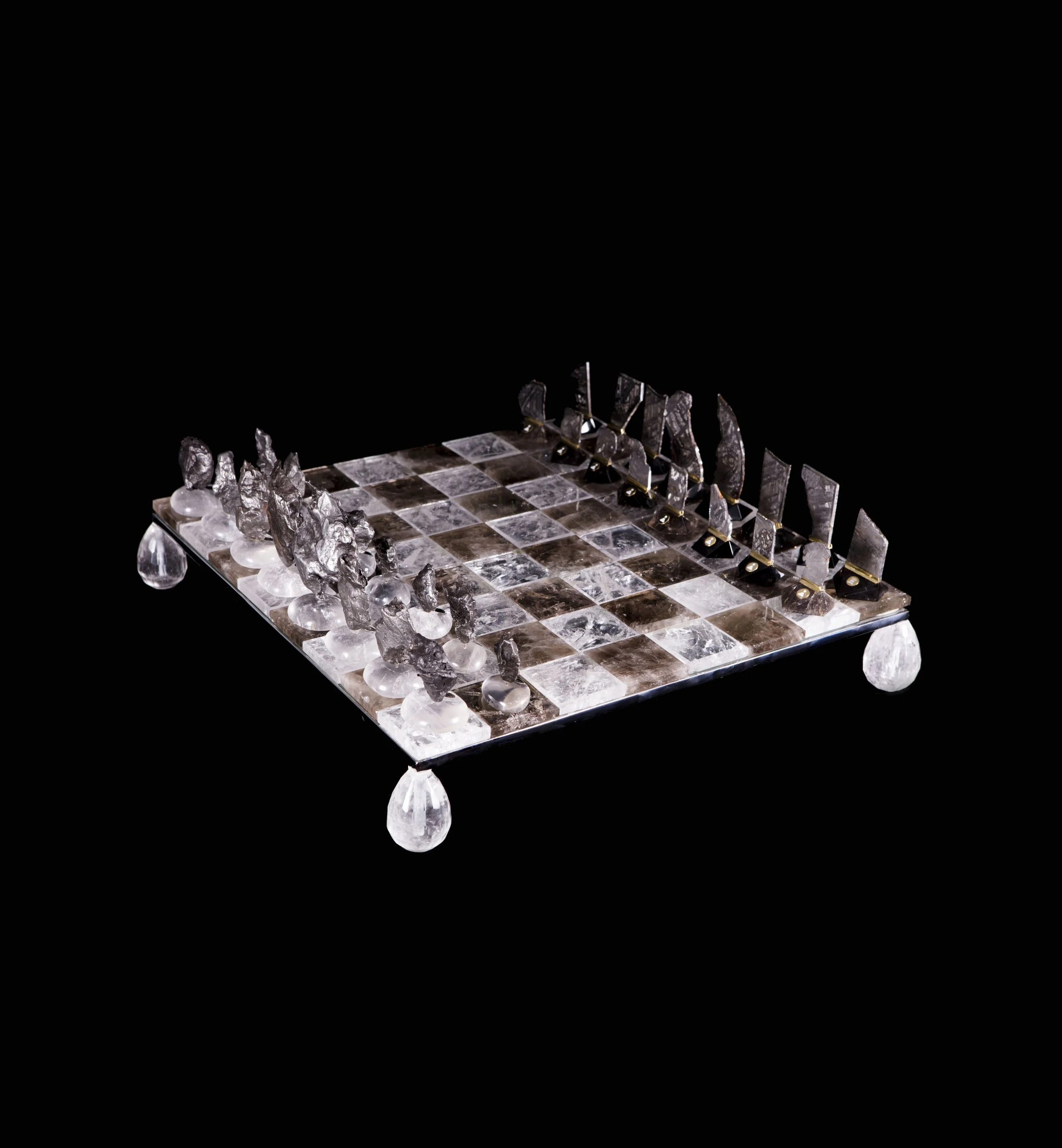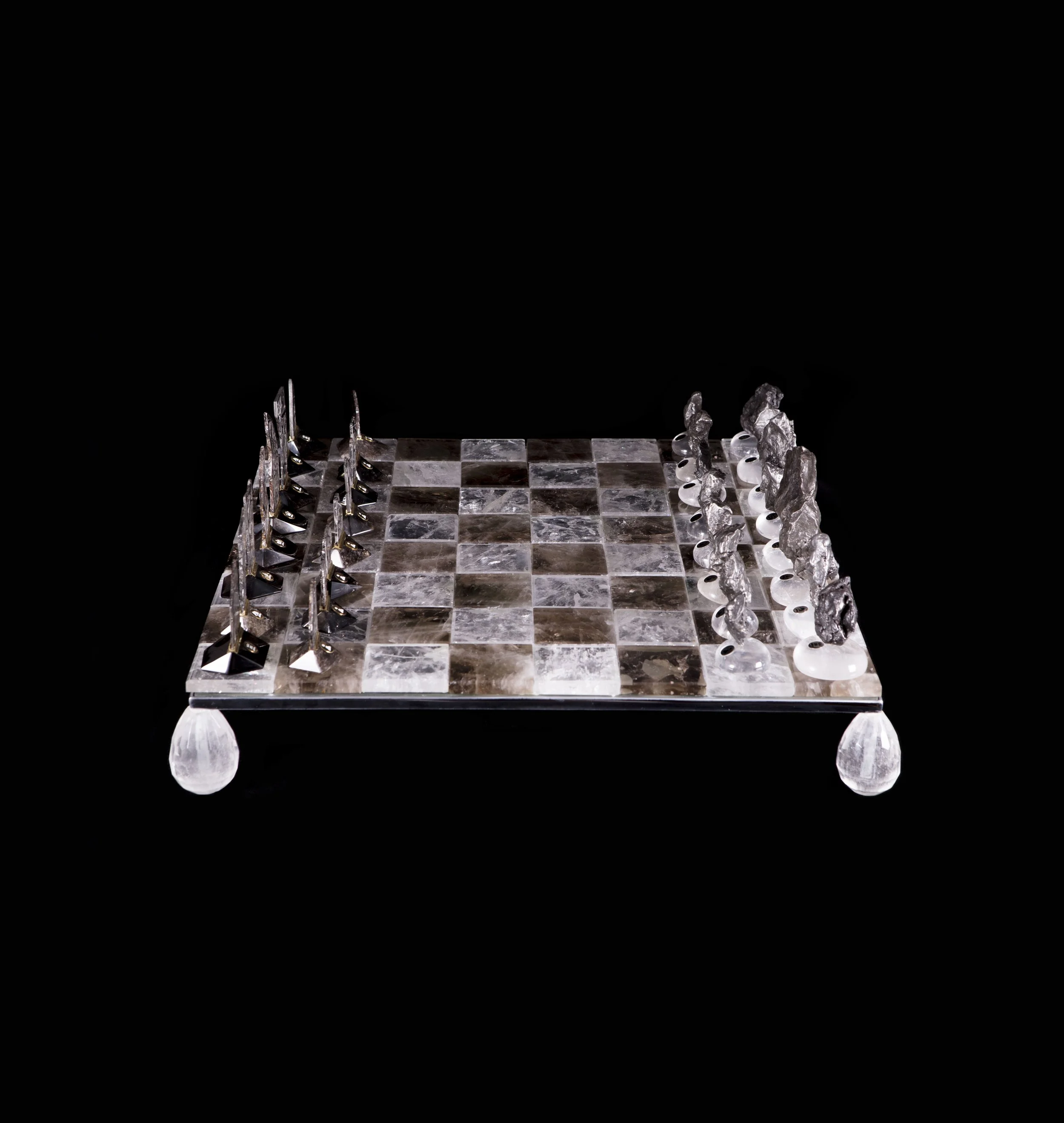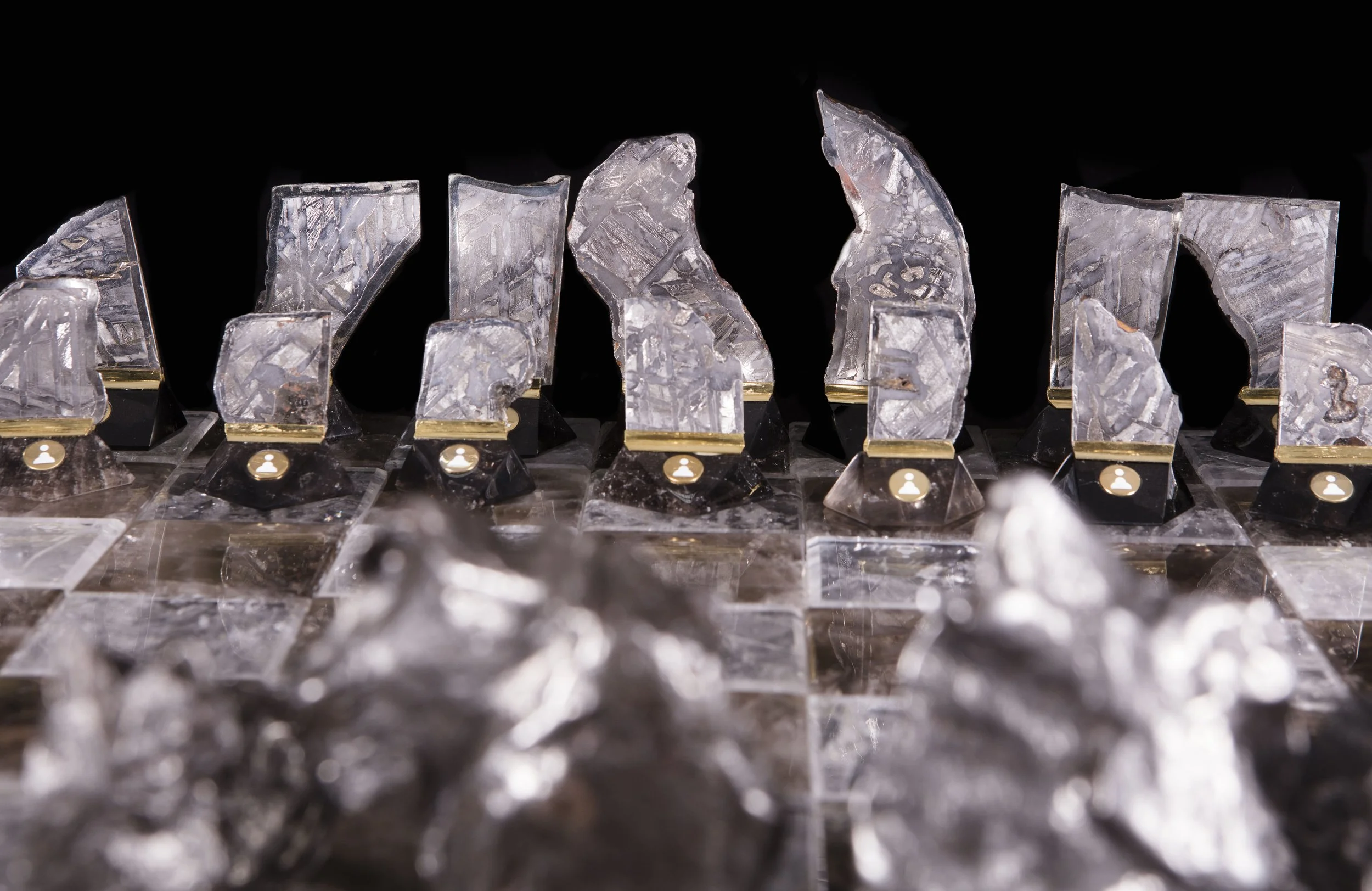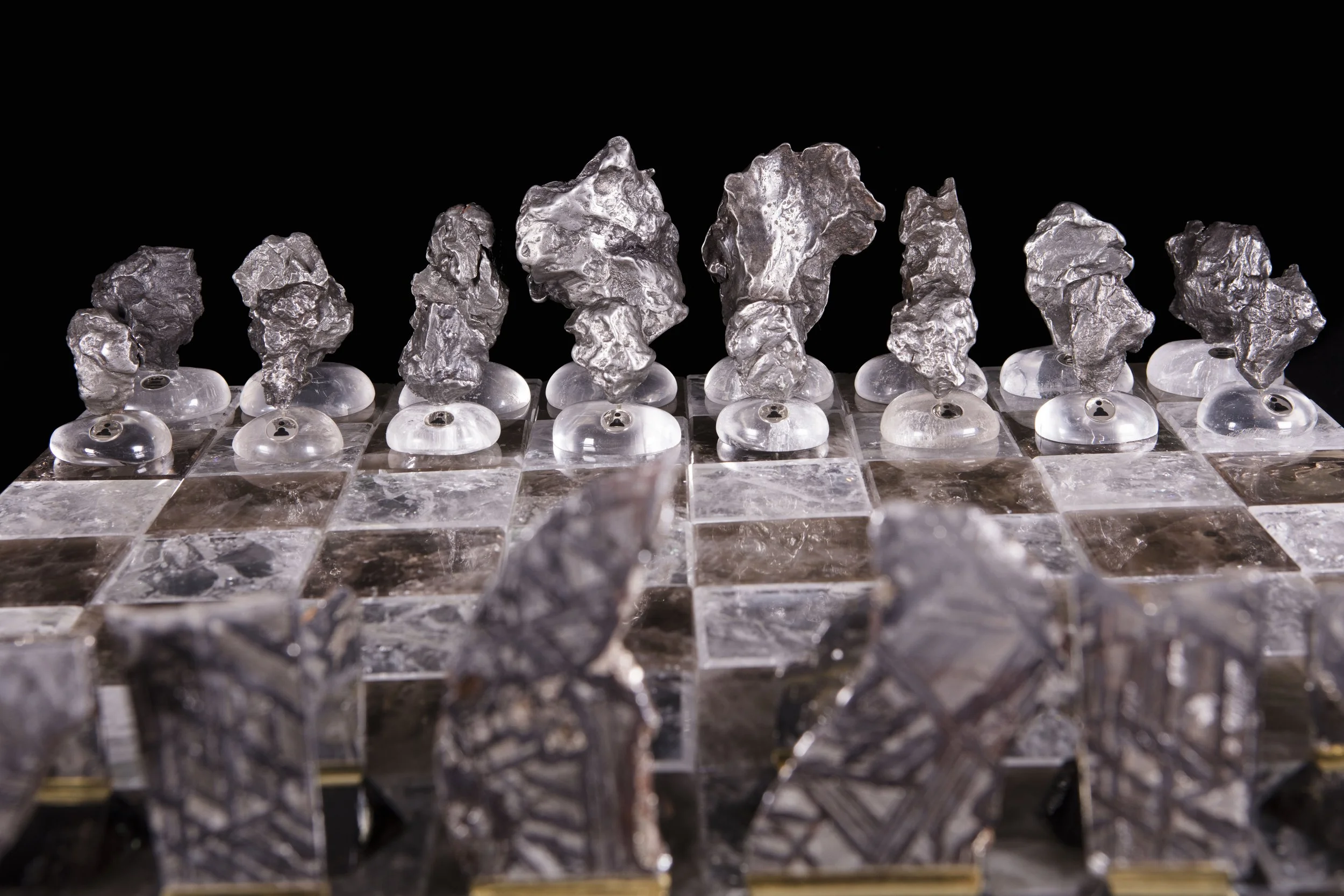
Seymchan Pallasite Meteorite – 10.7 kg

$0.00

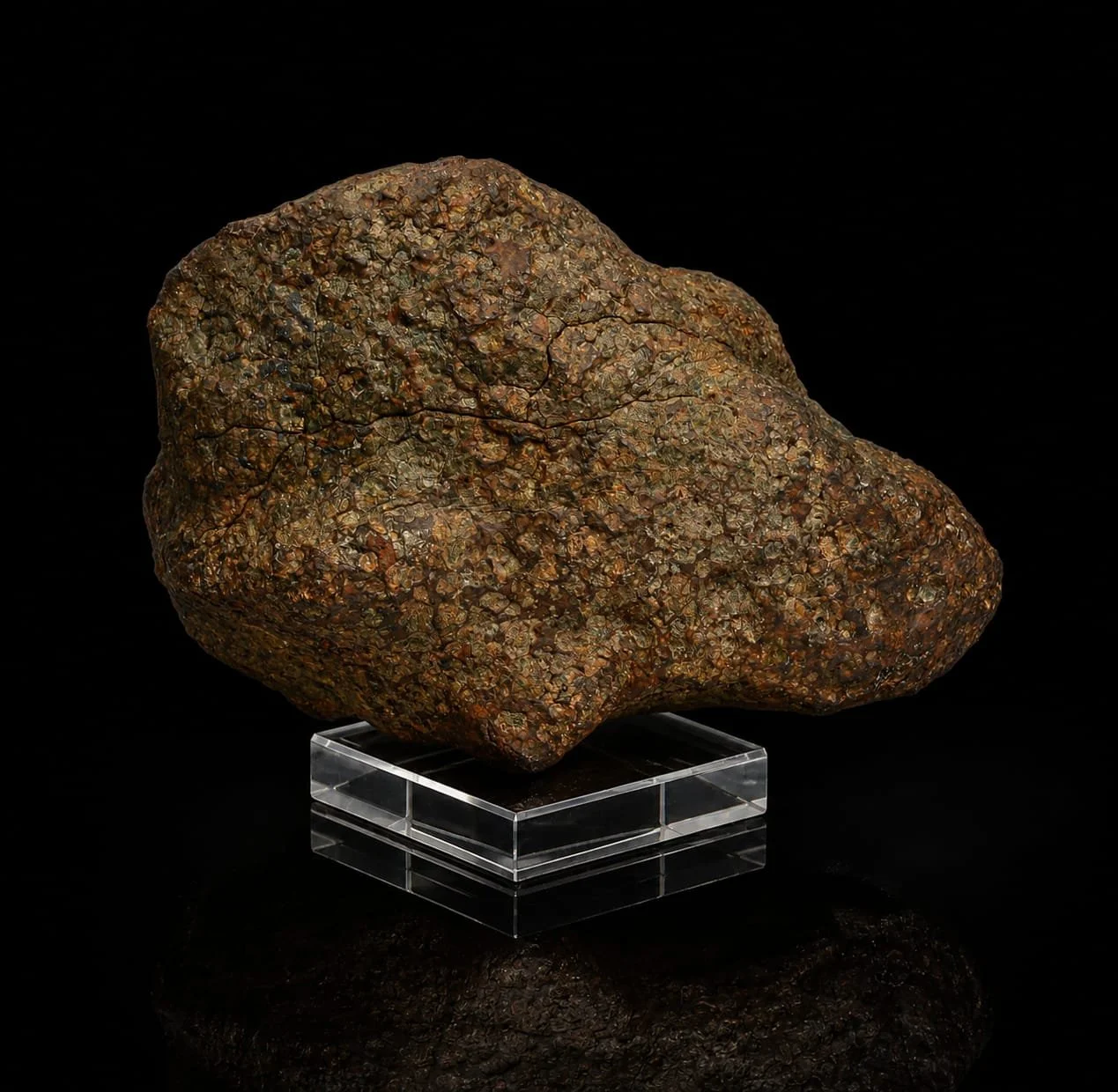
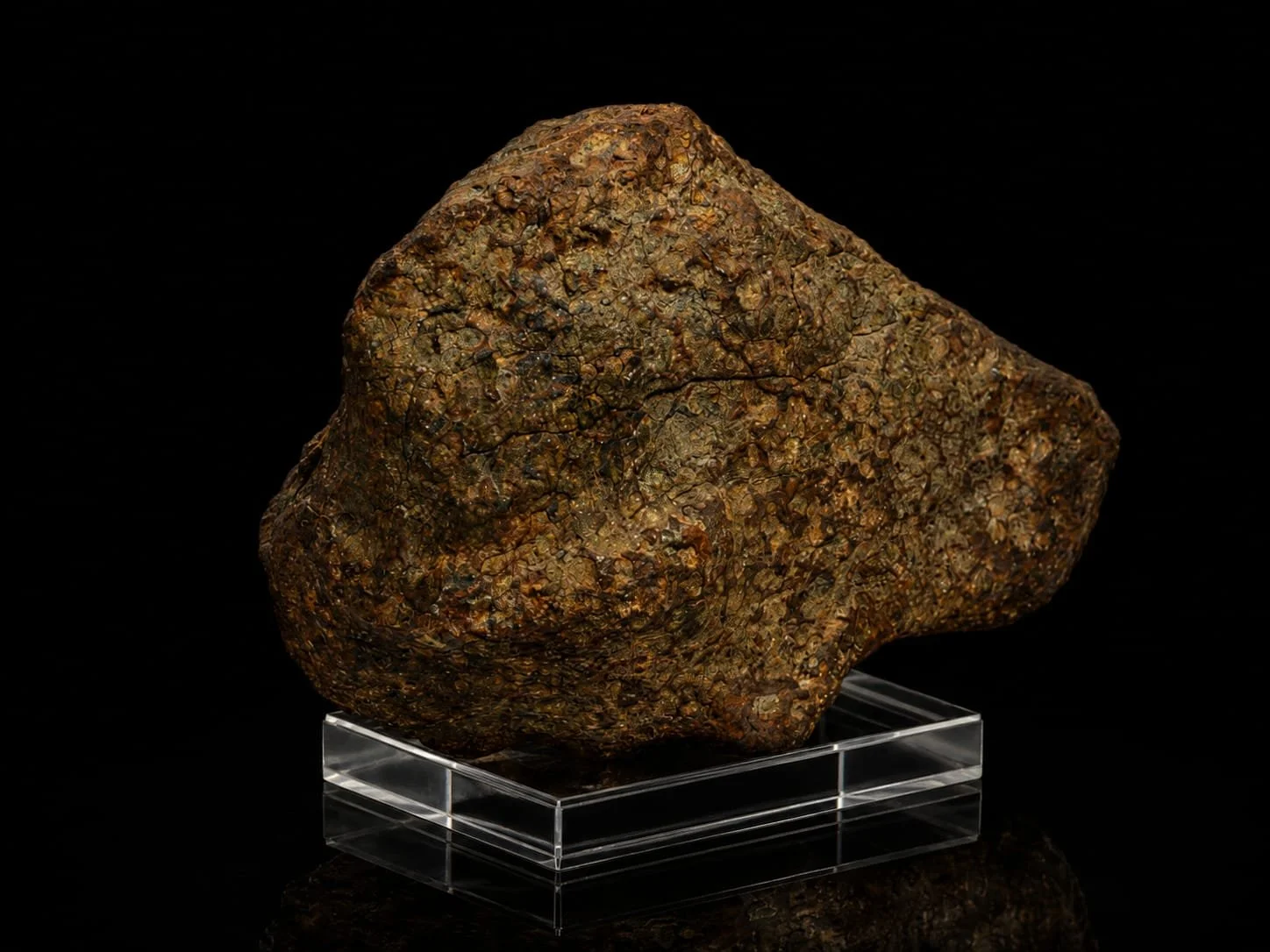
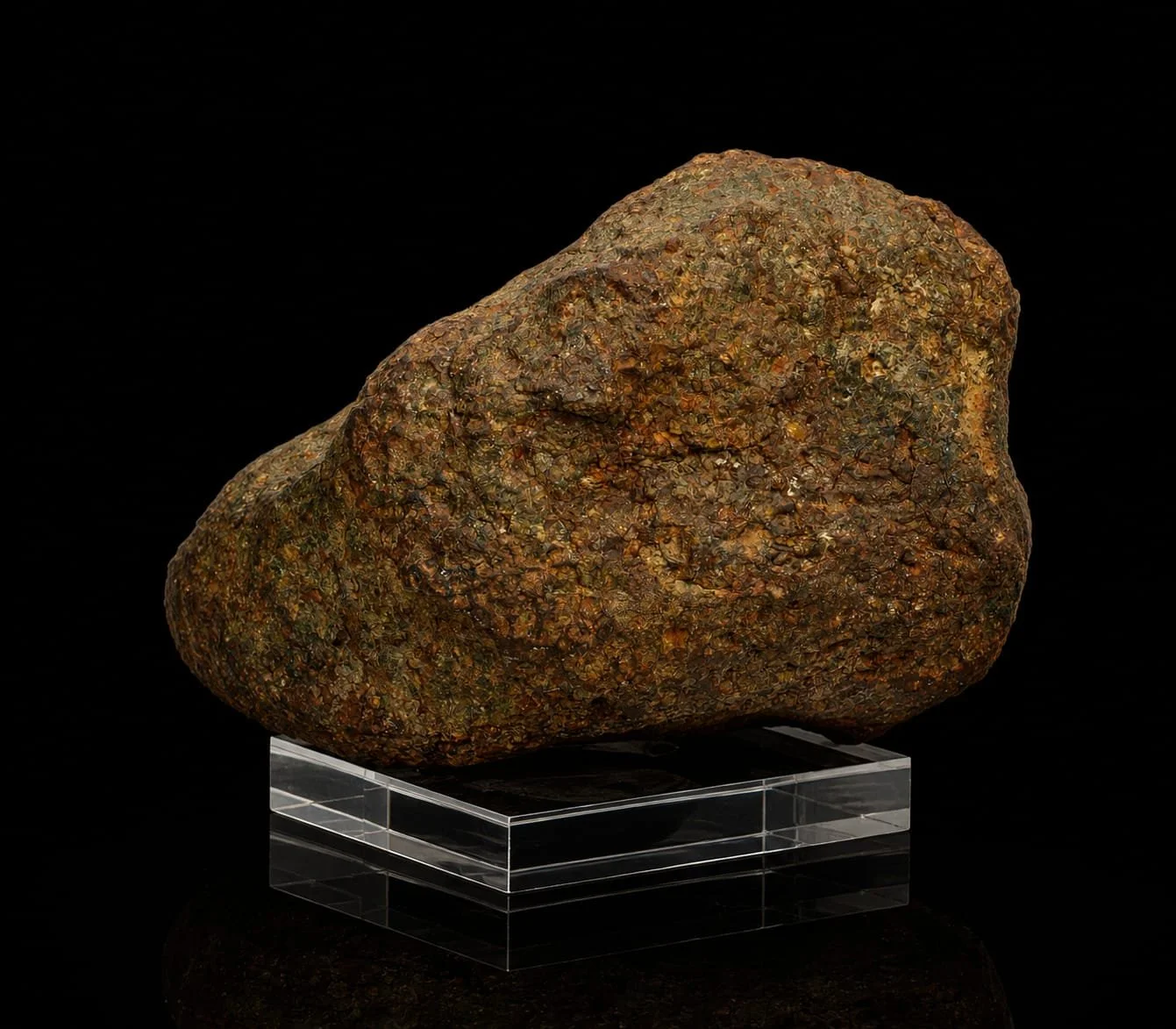
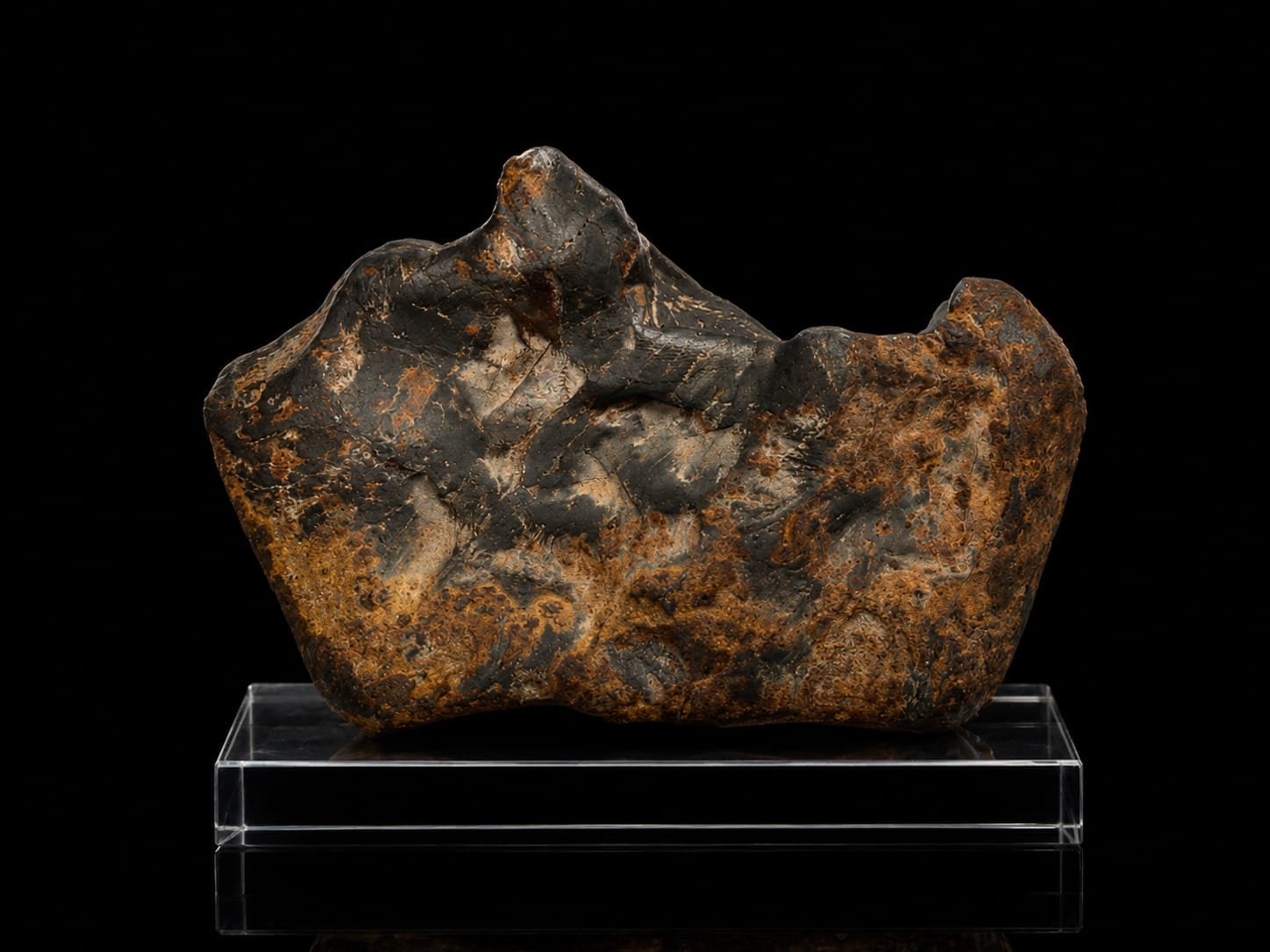
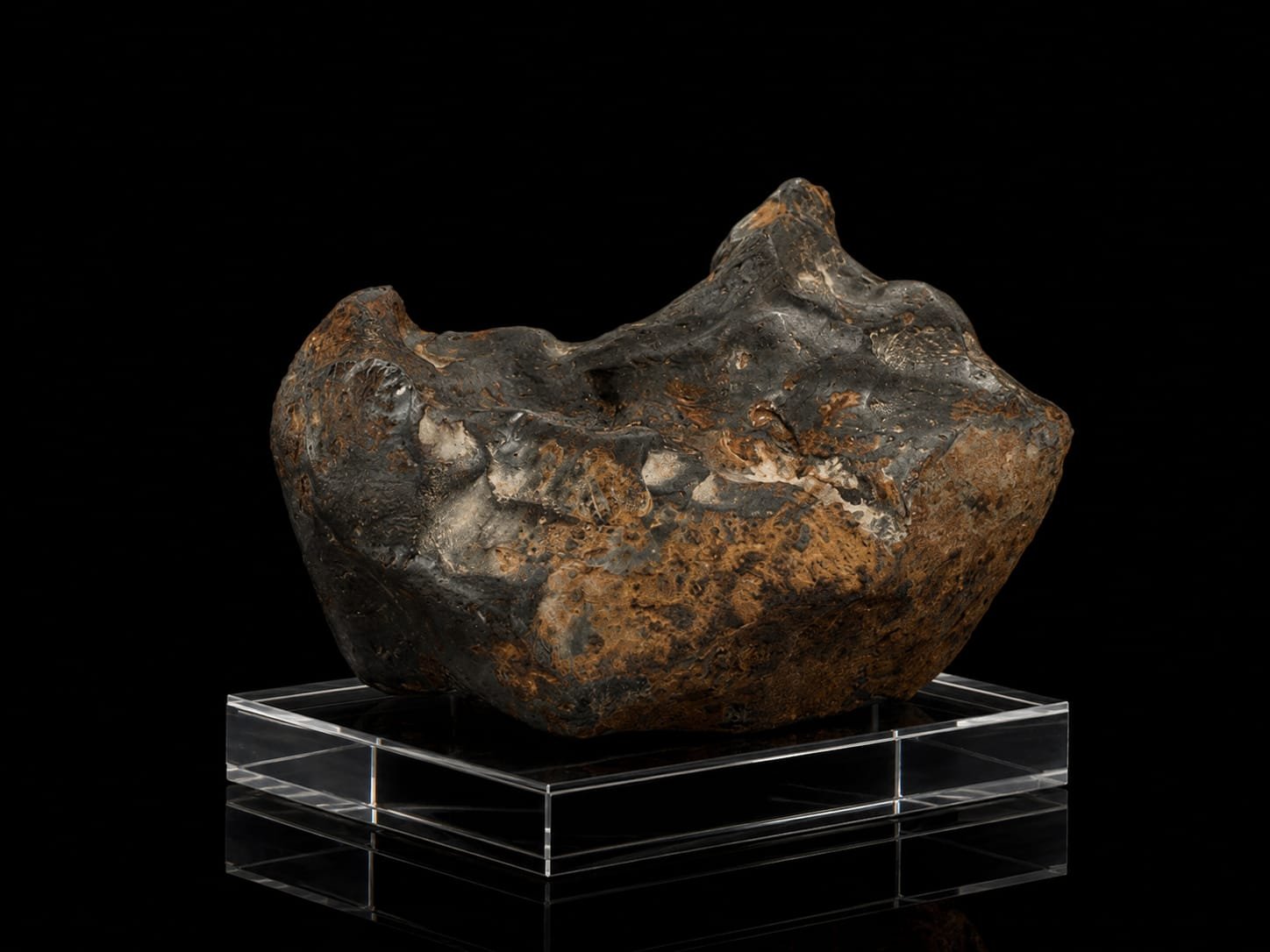
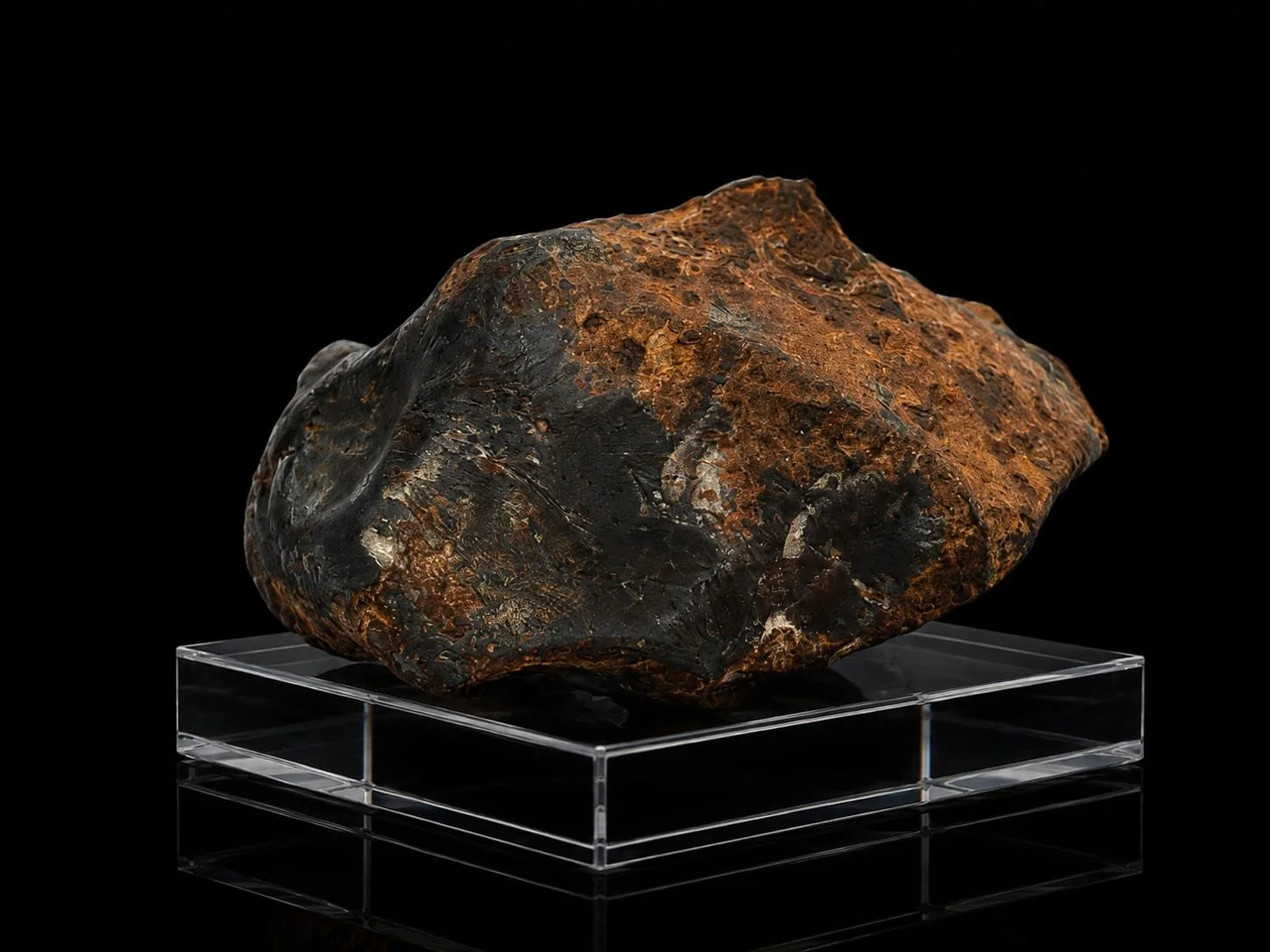
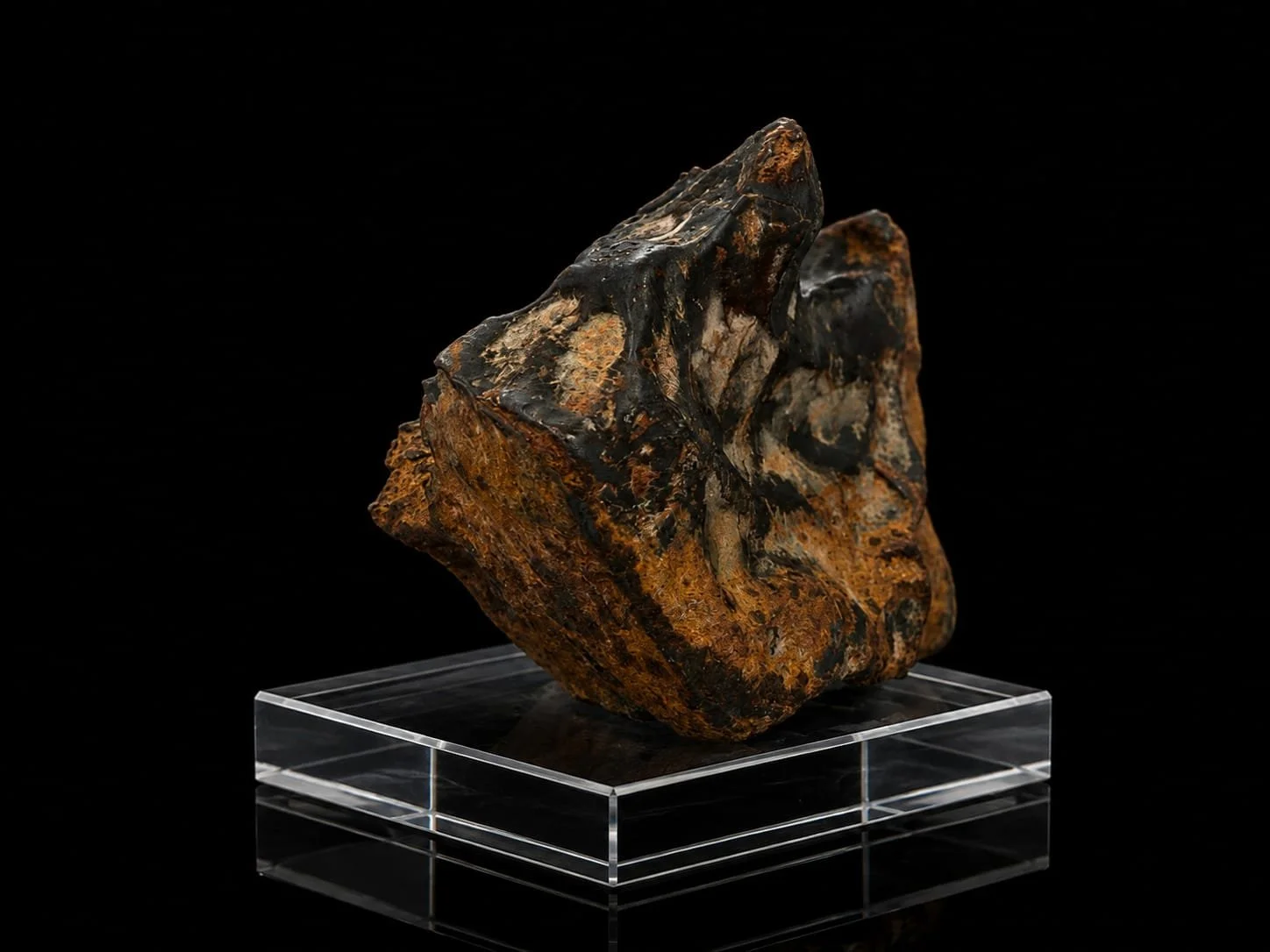
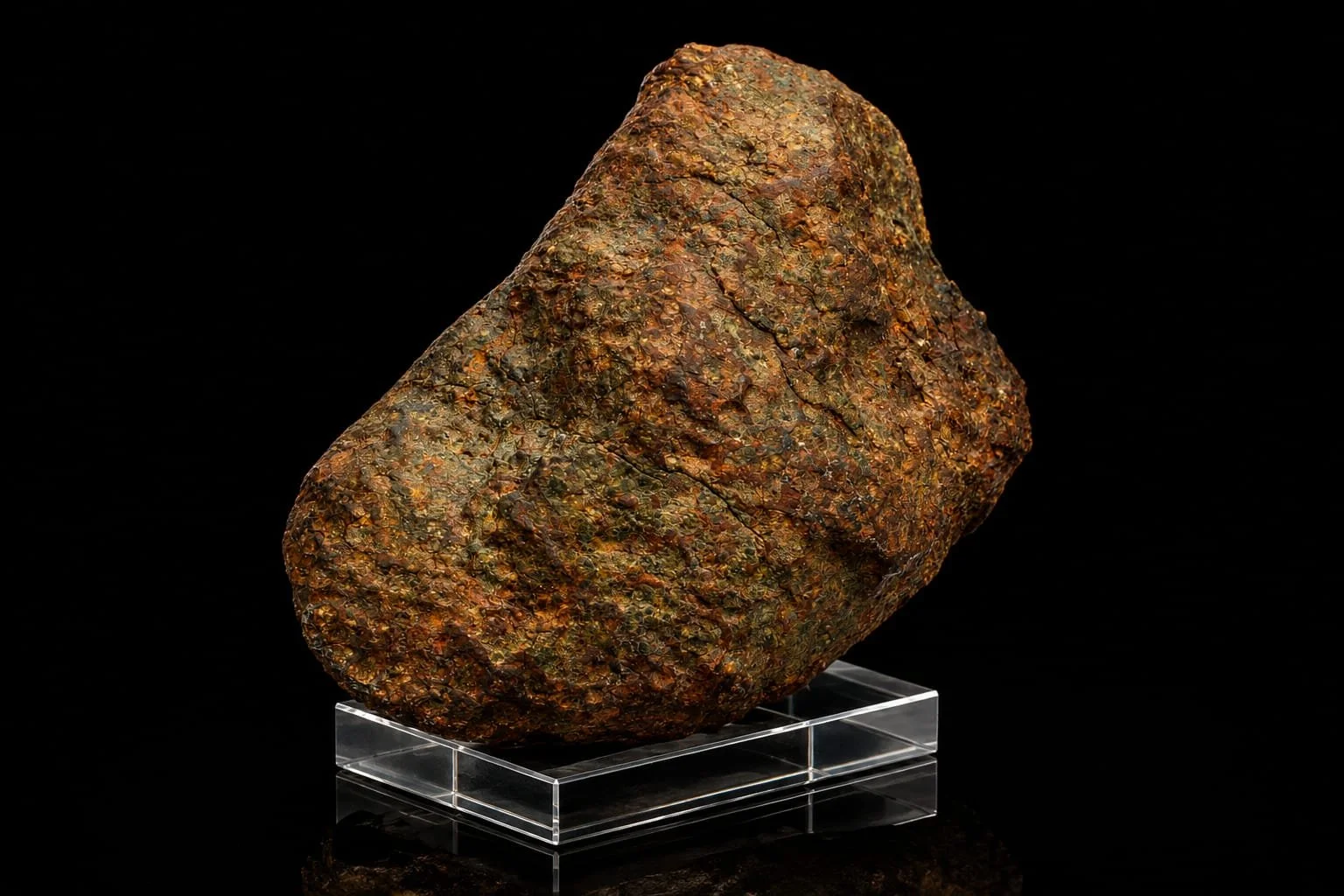
An individual specimen of the Seymchan meteorite, a stony-iron of the pallasite class, classified within the Pallasite Main Group (PMG). It was found in 1967 in Magadan Oblast, Russia, and weighs 10.7 kg.

The meteorite consists primarily of nickel-iron (kamacite, taenite and plessite) and olivine. Minor accessory minerals include troilite, schreibersite, chromite and whitlockite. Its chemical composition is notable for an anomalously high iridium content for the Main Group of pallasites.

One of the characteristic features of the Seymchan meteorite is the extremely uneven distribution of olivine inclusions within the nickel-iron matrix. As a result, collections may contain both almost entirely metallic fragments displaying the Widmanstätten pattern characteristic of iron meteorites of the octahedrite class, and specimens containing olivine, sometimes in substantial quantities, which demonstrates its classification as a pallasite. This structural heterogeneity played an important role in the history of the discovery and study of the meteorite.

Classification: stony-iron, pallasite, Pallasite Main Group (PMG)
Mass: 10.7 kg
Find or fall: found
Location: Magadan Oblast, Russia
Year: 1967

An individual specimen of the Seymchan meteorite, a stony-iron of the pallasite class, classified within the Pallasite Main Group (PMG). It was found in 1967 in Magadan Oblast, Russia, and weighs 10.7 kg.

The meteorite consists primarily of nickel-iron (kamacite, taenite and plessite) and olivine. Minor accessory minerals include troilite, schreibersite, chromite and whitlockite. Its chemical composition is notable for an anomalously high iridium content for the Main Group of pallasites.

One of the characteristic features of the Seymchan meteorite is the extremely uneven distribution of olivine inclusions within the nickel-iron matrix. As a result, collections may contain both almost entirely metallic fragments displaying the Widmanstätten pattern characteristic of iron meteorites of the octahedrite class, and specimens containing olivine, sometimes in substantial quantities, which demonstrates its classification as a pallasite. This structural heterogeneity played an important role in the history of the discovery and study of the meteorite.

Classification: stony-iron, pallasite, Pallasite Main Group (PMG)
Mass: 10.7 kg
Find or fall: found
Location: Magadan Oblast, Russia
Year: 1967

History of the discovery

The first specimen was found during fieldwork in June 1967 by geologist F. A. Mednikov, at approximately 63°39′ N, 150°09′ E. An iron mass weighing approximately 300 kg was lying in the bed of a stream, a tributary of the Khekandya River, in the upper reaches of the Yasachnaya River in Magadan Oblast. In October of the same year, a second metallic mass weighing 51 kg was discovered with a metal detector about 20 meters from the first find.

The first specimen was delivered to the Committee on Meteorites of the Academy of Sciences of the USSR, where it was studied and classified as an iron meteorite, specifically a medium-structured octahedrite (Iron IIE-Om).

The next expedition to this remote and difficult-to-access area took place only in August 2004 and produced completely unexpected results: numerous new specimens of the meteorite containing olivine grains were discovered.

Analytical studies conducted by international scientists in 2007 demonstrated that the iron and stony-iron fragments originated from the same parent celestial body, leading to the meteorite's reclassification. Seymchan was subsequently moved into the Pallasite Main Group (PMG), a relatively rare class of meteorites.